

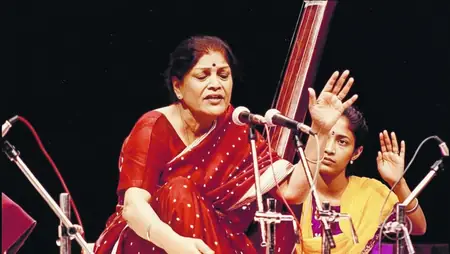
Shobha Gurtu emerged as a beacon in Indian music, single-handedly resurrecting thumri when it teetered on the brink of oblivion. Dubbed the ‘Thumri Queen,’ her birth in Belgaum on February 8, 1925, marked the beginning of a career that bridged tradition and innovation.
With thumri dismissed as mere accompaniment for courtesans or small mehfils, Gurtu proved its mettle. She toured internationally, enchanting crowds at venues like Carnegie Hall and sharing stages with luminaries such as Pandit Birju Maharaj. Her repertoire masterfully wove dadra, kajri, and hori into classical frameworks, delivered with unparalleled expressiveness.
Under the guidance of her mother, a Kathak exponent, and gurus like Bhurji Khan and Natthan Khan, Gurtu developed a unique style. Her songs weren’t just sung; they were lived through intricate abhinaya, making listeners feel every nuance of radha-krishna lore or seasonal sentiments.
Bollywood beckoned too, where her thumri-infused hits like ‘Bandon Baandho’ from Pakeezah stole hearts. Subsequent films like Fagon and Main Tulsi Tere Aangan Ki solidified her versatility. Awards poured in: Padma Bhushan in 2002, Sangeet Natak Akademi Fellowship, and more.
Though she departed this world in 2004, Gurtu’s voice echoes eternally, reminding us that true music transcends time, touching the soul with its rhythmic poetry.