

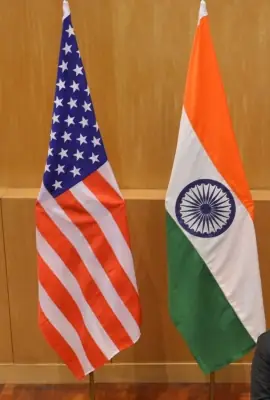
In a masterstroke of trade diplomacy, India has locked out American agricultural and dairy imports through its interim pact with the US, dispelling fears stoked by the opposition Congress about endangering farmers’ livelihoods. The agreement, detailed comprehensively, prioritizes Indian interests by maintaining strict market barriers on sensitive products.
Boosting India’s export prowess, the deal trims US tariffs on apparel, leather goods, shoes, crafts, plastics, rubber, and decor items from 50% to 18%. This reduction eliminates the extra 25% levy, promising exponential growth in shipments and sparking job creation waves—millions of opportunities tailored for young workers and women in export-oriented industries.
Central Commerce Minister Piyush Goyal’s clarifications put an end to misinformation campaigns. Protected categories encompass rice, wheat, maize, soybeans, dairy essentials like milk, paneer, and poultry, plus ethanol. BJP leaders have publicized the full inventory of shielded sectors, underscoring zero concessions on dairy openness, fortifying millions of small dairy farmers and cooperative frameworks.
American grains (wheat, millets, barley, jowar), flours, pulses (chickpeas, beans), veggies (potatoes, onions, peas, mushrooms, frozen varieties), fruits (oranges, grapes, strawberries, lemons), and canned mixes are persona non grata in India. Dairy exclusions span all forms: liquids, powders, creams, yogurts, butters, ghee, oils, cheeses, and whey. Spices too—pepper, cloves, chilies, cinnamon, cumin, turmeric, ginger, fenugreek, mustard—remain domestically guarded.
A $300 billion gateway to the US beckons Indian MSMEs, agriculture producers, and fisheries without reciprocity risks. Additional perks include Section 232 waivers for plane parts and prospective tariff zeroing on pharmaceuticals, jewelry, and aviation spares. This balanced pact exemplifies India’s savvy negotiation, blending protectionism with expansion.