

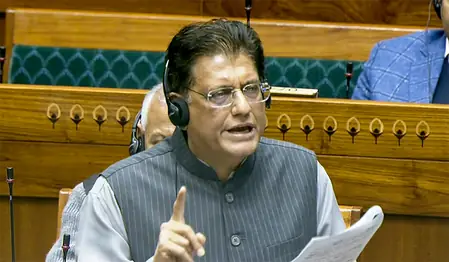
India has drawn a hard line in its trade talks with the United States, decisively keeping the dairy industry out of the emerging bilateral agreement. Commerce Minister Piyush Goyal made this clear during a press briefing in New Delhi on Saturday, outlining the deal’s framework that prioritizes Indian farmers.
The minister listed an extensive roster of protected products: no market access for US meat, poultry, soybeans, corn, rice, wheat, grains, sugar, millets, bananas, strawberries, cherries, citrus fruits, green peas, mung beans, chickpeas, oilseeds, animal feed products, or tobacco. This comprehensive shield addresses long-standing concerns over agricultural sensitivities.
Delving into specifics, Goyal explained the nuanced handling of apple imports. With domestic consumption far outstripping production—leading to 600,000 tons imported yearly—the current setup features a 50-rupee base price plus 50% duty, equating to 75 rupees retail. The trade pact adjusts this to an 80-rupee base with 25% tariff and quotas, pushing the price to 100 rupees. Local producers stand protected.
The same logic applies to cotton, where selective imports of specialty types continue without endangering Indian cultivation. ‘Farmers have nothing to fear,’ Goyal assured.
On the offensive, India secures duty-free exports for high-value items like spices, tea, coffee products, coconut oil, cashews, gems, jewelry, pharma goods, and smartphones. This positions Indian businesses to capitalize on the goal of scaling bilateral trade to $500 billion.
As India eyes developed nation status by 2047 with a $30 trillion economy, this deal emerges as a cornerstone. It balances export expansion with ironclad defenses for vital sectors, exemplifying shrewd diplomacy in global trade.