

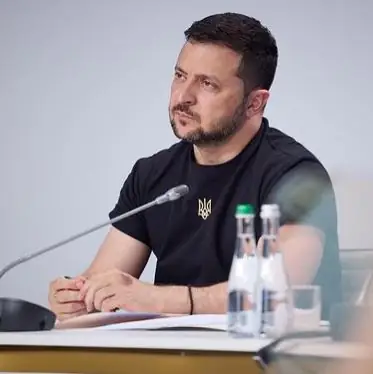
Ukraine’s President Volodymyr Zelensky accused Russia of launching a devastating overnight operation against the country’s vital energy network, deploying 400 drones and 40 missiles in a calculated bid to cripple infrastructure. Power grids and substations bore the brunt, leaving communities vulnerable as temperatures plummet.
Posting graphic evidence on social media, Zelensky highlighted the strategic targeting: ‘Russia has the option for talks daily, yet chooses bombardment. It’s time for trilateral negotiators to act and deny Moscow its winter warfare tool.’ Regions like Rivne saw residential damage, while Ladyzhyn’s agricultural college administration was hit by drone fire. Volyn, Ivano-Frankivsk, Lviv, Kyiv, and Kharkiv all reported impacts, with defenses intercepting some threats.
Despite the onslaught, Zelensky emphasized resilience: teams are racing to restore power and secure sites. This escalation follows fruitless Abu Dhabi discussions mediated by the U.S., yielding only a prisoner exchange of 157 per side after months of stalemate.
No breakthroughs on ceasefires or borders were achieved, and the absence of joint communiques underscores persistent rifts. Ukraine’s top security official reiterated demands for sustainable peace, but Russia’s response—intensified strikes—signals no letup. As blackouts loom, the war’s toll on civilian life intensifies, demanding urgent international intervention.