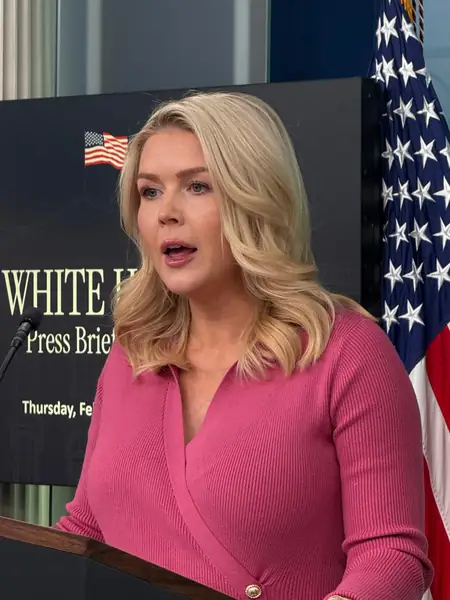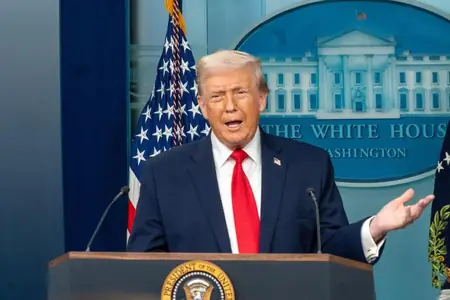



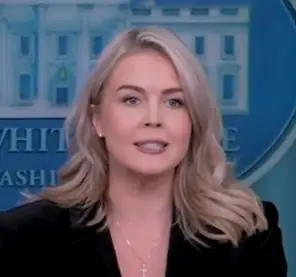
In a tense White House press session on February 6, officials brushed aside Cuba’s anxieties about US-led talks, while delivering a sharp rebuke to Havana’s leadership for criticizing President Trump. Press Secretary Caroline Leavitt underscored that diplomatic channels are active, positioning Trump as eager for constructive dialogue.
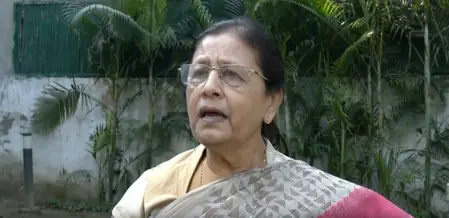
The confrontation stemmed from Cuban President Miguel Diaz-Canel’s remarks demanding negotiations free of coercion or preconditions, grounded in mutual respect and sovereignty. He had dismissed Trump’s assertion of ongoing discussions, prompting a fiery White House retort.
‘You know, I think the Cuban regime is reaching its end and the nation is on the brink of collapse, so they ought to be more prudent when commenting on America’s President,’ Leavitt shot back. Undeterred, she looped back to Trump’s diplomatic posture: ‘As I’ve said, the President is always willing to get involved in diplomacy.’
Leavitt hinted at current engagements with Cuba but offered no details on formats or topics. She sidestepped Diaz-Canel’s preconditions stance, merely highlighting Trump’s pro-diplomacy approach. This came during an expansive briefing touching on various security concerns.
Historical frictions define US-Cuba ties, from prolonged embargoes to fluctuating policies under successive US leaders. Mid-2010s saw a thaw with restored relations, but enduring sanctions and Cuba’s internal economic strains—exacerbated by political challenges—have shaped sporadic interactions on issues like migration and limited embassy functions.
Leavitt’s comments inject urgency into the dialogue, rejecting Cuba’s fears while warning of the island’s fragility. With Trump signaling openness, the ball appears in Havana’s court, though deep-seated distrust may prolong any breakthrough.