


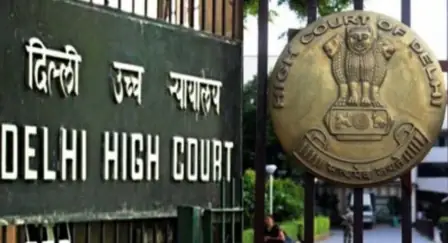
In a landmark verdict, the Delhi High Court on February 5 put an end to the controversy surrounding the Civil Services Preliminary Exam 2023’s CSAT paper. A bench of Justices Amit Mahajan and Anil Khatriwal rejected pleas from failed aspirants who accused the Union Public Service Commission (UPSC) of including out-of-syllabus questions.
The bone of contention was 11 questions allegedly sourced from higher secondary NCERT textbooks, breaching the notification’s stipulation for Class 10-level comprehension, logical reasoning, and quantitative aptitude. Petitioners claimed this skewed fairness, impacting cut-offs and selections.
Dismissing these arguments, the court drew a firm line on judicial overreach. It affirmed CAT’s prior dismissal, stating that competitive exam disputes warrant narrow scrutiny. Only proven malice or gross illegality invites intervention; mere disagreement with experts does not suffice.
UPSC bolstered its defense with an expert panel’s findings, which validated every challenged item. ‘Mathematics queries matched matriculation standards, and all content aligned with notified parameters,’ the report stated. The judges concurred: ‘Re-litigating academic judgments exceeds our mandate.’
Procedural fairness further doomed the petition. The court highlighted the absence of selected candidates as parties, noting that remedies like merit revisions would upend finalized appointments. ‘No order affecting vested rights passes without audi alteram partem,’ it ruled.
As CSE 2023’s cycle—from prelims to final allocations—stands concluded, the bench prioritized systemic stability. This decision signals to aspirants: challenge boldly, but respect institutional expertise and timelines. UPSC’s rigorous objection mechanism, it seems, holds judicial water.