


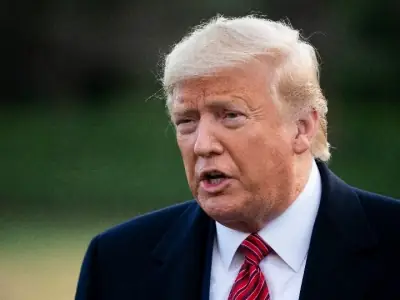
Tensions between Washington and Tehran reach a boiling point as U.S. President Donald Trump ramps up his rhetoric ahead of high-stakes nuclear talks in Oman. Set for 10 AM Friday in Muscat, the meeting follows a last-minute venue switch from Turkey, at Iran’s insistence, to ensure a more amenable setting.
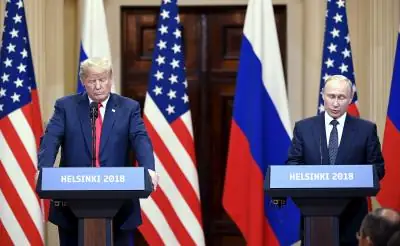
Speaking to NBC News, Trump didn’t mince words about Supreme Leader Ayatollah Ali Khamenei. ‘He should be very concerned about our increasing military strength in the area,’ he remarked. Reviving the nuclear program, Trump warned, would trigger ‘a whole new level of attacks’ from the U.S.
This isn’t Trump’s first rodeo with such threats. For weeks, he’s lambasted Iran over its violent suppression of demonstrations, alleging mass killings and demanding regime change. The pattern of escalating warnings has defined U.S. policy toward Tehran.
Iran’s Foreign Minister Seyed Abbas Araghchi acknowledged the summit on X, thanking Oman for hosting. ‘Talks with America on nuclear issues tomorrow morning in Muscat,’ he wrote, keeping a measured tone amid the storm.
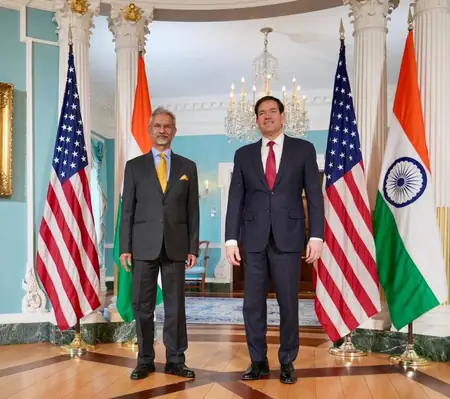
While Iran pushes to confine discussions to nukes only, U.S. officials like Secretary of State Marco Rubio aim wider. Ballistic missiles, regional proxies, and human rights abuses top their list, painting a comprehensive picture of concerns.
The Oman talks emerge from a complex backdrop of distrust. Iran’s venue veto highlighted its wariness, but both sides see value in dialogue. Trump’s pre-summit jab, however, risks poisoning the atmosphere before delegates even sit down.
Analysts warn that failure here could spiral into broader conflict. Success, though slim, might open doors to de-escalation. Either way, Trump’s bold strategy keeps the world on edge.