


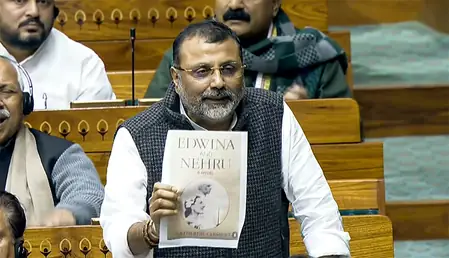
Parliamentary fireworks intensified as BJP MP Nishikant Dubey fired back at Congress with a curated list of 40 books chronicling what he calls the ‘real history’ of the Gandhi family and their party’s governance. Posted individually on X, the list spotlights eras like the 1975-77 Emergency, dynastic rule, and other flashpoints, positioning them as essential reading amid the Naravane book controversy.
Each of Dubey’s 40 posts breaks down a book’s essence: author insights, key revelations, and historical context. He lambasts the opposition for fixating on an ‘unpublished’ manuscript while ignoring these established publications. ‘These books lay bare the scandals of Congress rule—time for Parliament to engage seriously,’ Dubey declared.
Flashback to the trigger: Rahul Gandhi’s Lok Sabha intervention citing a media piece on General Naravane’s book, alleging critiques of top leaders over Ladakh clashes. Treasury benches roared in objection, insisting on verified documents only. Gandhi escalated by waving the book before cameras outside, met by Dubey’s dramatic response—hauling books into the House and quoting passages that irked opponents into chaos.
Dubey escalates further, claiming his list scratches the surface of a vast library—at least 150 volumes—exposing alleged Gandhi family misdeeds from graft to improprieties. This isn’t just retaliation; it’s a strategic narrative pivot, challenging Congress’s historical halo.
As the session drags on, this book battle highlights how literature becomes ammunition in India’s polarized politics. Will it lead to substantive policy talks or merely amplify echo chambers? Observers watch closely for the next chapter in this unfolding saga.