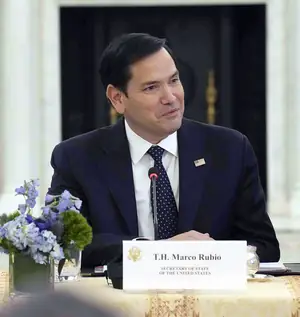




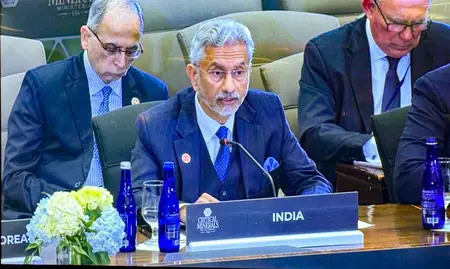
Washington witnessed a landmark push for critical minerals security on February 4, as India’s Foreign Minister S. Jaishankar voiced robust support for international collaboration to derisk supply chains. Speaking at the Critical Minerals Ministerial, he addressed the perils of over-reliance on concentrated sources, advocating for systematic global partnerships.
India’s initiatives took center stage in Jaishankar’s speech: the National Critical Minerals Mission to map and exploit domestic resources, development of rare earth corridors for efficient transport, and adherence to responsible sourcing practices. He also pledged backing for the ‘Forge’ program, a US-led effort to fortify allied supply networks.
Echoing these sentiments, US Vice President J.D. Vance called on allies to unite in rearchitecting the critical minerals marketplace. He likened these resources to indispensable fossil fuels, cautioning that current chains are brittle and geographically limited, fostering instability that hampers long-term commitments.
Vance illustrated with examples of market floods that plummeted prices, bankrupting ventures overnight. With attendees accounting for two-thirds of world GDP, he urged collective action: ‘We are one team.’ His blueprint includes a secure trade bloc with stage-specific reference prices, backed by tariffs to thwart predatory dumping.
This framework promises price steadiness, investment revival, strategic foresight, and crisis preparedness. As tensions rise over mineral dominance—particularly from China—these moves could redefine energy transitions and technological sovereignty, positioning India as a key player in diversified, democratic supply ecosystems.