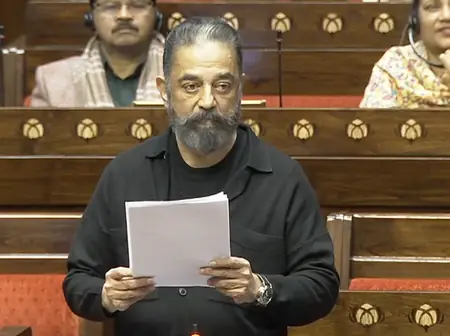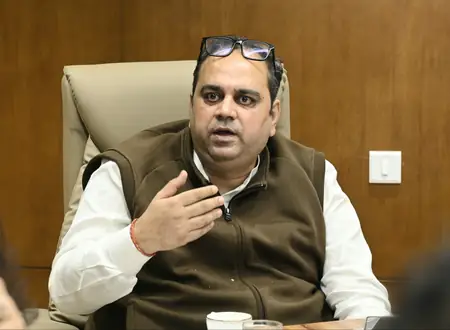



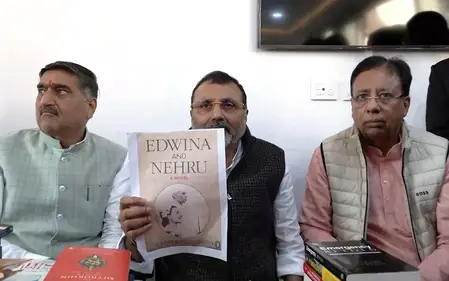
In a heated press briefing, BJP parliamentarian Nishikant Dubey accused Rahul Gandhi of paralyzing Lok Sabha proceedings for three days by invoking excerpts from a yet-to-be-published book. This dramatic revelation came amid discussions on the President’s address, where Gandhi’s remarks sparked chaos.
‘Parliament has been held ransom,’ Dubey fumed to reporters. ‘Gandhi lacks even basic knowledge of House rules. Quoting an unprinted book? It’s beyond comprehension.’ He painted Gandhi as an ineffective leader incapable of coherent support or critique of the address.
Turning the tables, Dubey unleashed a list of prohibited books critical of the Nehru-Gandhi lineage. Leading the charge was ‘India Independent’ by Charles, banned decades ago for alleging Nehru’s role in India’s division alongside Mountbatten and Edwina. The fictional ‘Edwina and Nehru’ purportedly chronicles their rendezvous timings and Nehru’s political apathy.
Dubey delved deeper into ‘The Life of Indira Nehru Gandhi,’ citing claims of her extramarital liaisons, KGB money trails influencing policy, and moral lapses. ‘Nehru: A Political Biography’ accuses Nehru of duplicity, betrayal, and divisive actions spanning over four decades, plus scandalous relationships.
Further revelations included ‘Beginners and Nehru Age,’ with M.O. Mathai’s admissions of Indira living as his wife for 12 years amid graft allegations. Dubey name-dropped additional banned works like ‘Ceasefire,’ ‘The Art of India,’ ‘Nepal,’ ‘Captive Kashmir,’ and ‘Himalayan Blunder,’ arguing they merit discussion over phantom texts.
This counteroffensive highlights BJP’s strategy to reclaim narrative control, questioning Congress’s historical sanctity while exposing procedural lapses. As debates rage, these literary grenades could redefine opposition accountability.