

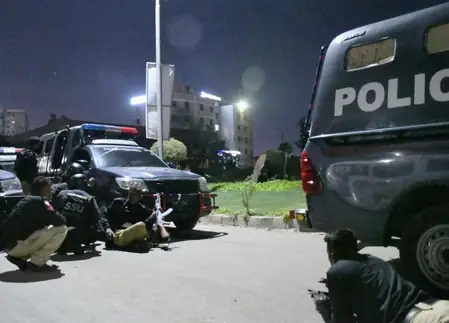
Pakistan’s battle against militancy is intensifying, as evidenced by the cold-blooded murder of a police constable in Khyber Pakhtunkhwa’s Lakki Marwat district. This targeted killing by unknown gunmen has ignited fears of a resurgent insurgency gripping the nation.
Details emerged from the remote Narsarkhel area near Darga forest, where the victim was kidnapped from his residence despite ongoing medical care at Hangu Training School. His execution-style slaying Tuesday night prompted swift police response, though the perpetrators remain at large, per spokesperson Kudratullah.
The incident fits a disturbing trend post the 2022 ceasefire breakdown with TTP, sparking heightened violence in Khyber Pakhtunkhwa and Balochistan. Recent skirmishes between army troops and Baloch militants in the southwest province resulted in fatalities, mirroring the constable’s fate.
Similar tragedies abound: Earlier this month, Constable Ali Gauhar fell to assassins’ bullets en route to duty in Balochistan’s Dera Murad Jamali. Dawn newspaper cited police sources detailing the ambush near a school and the subsequent handover of his body to family after formalities.
PIPS data for 2025 reveals a stark deterioration—699 assaults, up 34% year-on-year, inflicting 1,034 deaths and 1,366 injuries. Conflict events ballooned 43% to 1,124, with fatalities climbing 21%. Balochistan reports surging kidnappings and state-sponsored abuses, prompting global human rights outcry against Pakistan’s tactics.
With five straight years of escalating tensions, the government faces mounting pressure to restore order. This constable’s death is not isolated but a symptom of systemic failures demanding comprehensive counter-terrorism reforms and dialogue to break the violence spiral.