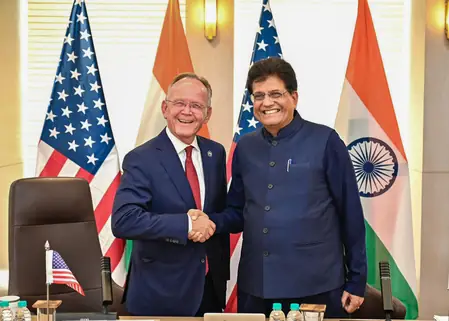



In a game-changing development for India’s economy, the United States has slashed tariffs on Indian products, prompting enthusiastic endorsements from top industry associations. The trade deal, announced amid high-level talks, drops reciprocal duties from 25% to 18% instantly and eliminates extra penalties on Russian oil imports—a relief for New Delhi’s energy strategy.
Confederation of Indian Industry (CII) chief Rajiv Memani praised the accord as a pivotal advancement in bilateral economic partnership. He stressed that it reflects a shared vision to bolster trade, tech collaborations, and investments, with business leaders poised to drive its success on the ground for enduring growth.
PHDCCI’s Rajiv Juneja pointed out the broader implications: cheaper inputs will ease industrial costs, build robust supply networks, tame price rises, and deliver wins for businesses and everyday buyers alike. This is especially promising for high-growth areas such as tech, healthcare, renewables, and core manufacturing.
The personal chemistry between PM Modi and President Trump was credited for building the trust necessary for such concessions, ensuring more predictable trade flows ahead.
Apparel Export Promotion Council (AEPC) head Dr. A. Sakthivel was particularly vocal about benefits for textiles, India’s employment juggernaut. Previously hammered by US duties up to 50%, the sector now eyes surging demand in its biggest market. Expect export surges, fresh capital inflows, and India’s solidified status as a go-to global source.
This deal doesn’t just cut tariffs; it secures livelihoods, spawns jobs—especially for women in labor-heavy roles—and sets the stage for supply chain dominance. Economists predict it will amplify India’s manufacturing renaissance, drawing parallels to past free-trade triumphs while eyeing even bigger horizons.