

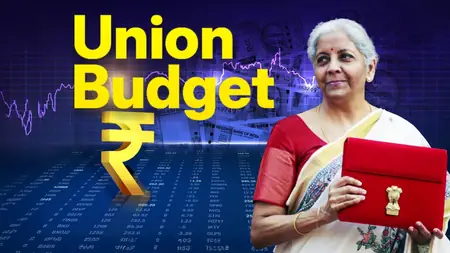
Finance Minister Nirmala Sitharaman is set to present the Modi government’s 15th Union Budget on February 1, spotlighting defense, infrastructure, and capital investments. With economists predicting focused allocations for power reforms and affordable housing, the budget promises to juggle growth imperatives with fiscal responsibility.
Global headwinds demand a balanced strategy: fueling development without compromising on deficit control. The fiscal deficit, slashed from 9.2% in the pandemic era to an estimated 4.4% this fiscal year, reflects robust consolidation efforts that experts believe will persist.
Shifting from broad-based tax incentives in the previous budget, which spurred middle-class spending, this edition may opt for selective consumption boosters. Strategic capex hikes, particularly in geopolitically sensitive areas, are highlighted in Motilal Oswal’s India Strategy report.
Investors will scrutinize borrowing plans and deficit targets, as per DBS Bank analysis, with implications rippling through bond yields. The Economic Survey paints an optimistic picture, projecting 6.8-7.2% growth for the coming year—robust despite a minor dip from current levels.
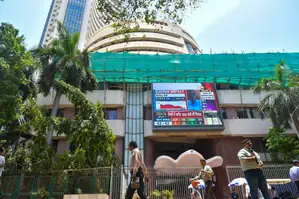
Sitharaman’s ninth budget speech cements her historic legacy as India’s pioneering female Finance Minister delivering consecutive presentations. Even on a Sunday, equity markets will buzz with activity, ensuring immediate market feedback on fiscal measures.
As geopolitical tensions simmer and economic uncertainties loom, Budget 2026-27 emerges as a blueprint for India’s fortified future, blending ambition with accountability to propel the nation toward its vision of Viksit Bharat.