


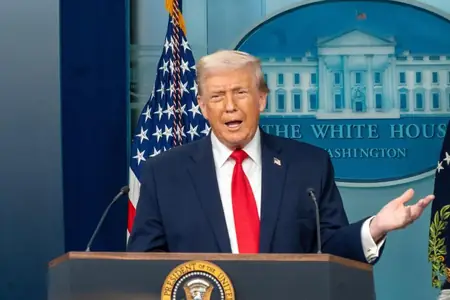
President Trump dropped a bombshell from the White House: America is mobilizing a naval force to Iran bigger than the one that shadowed Venezuela, with every option from talks to tougher measures in play. During an Oval Office event blending domestic and international queries, Trump laid out the strategy plainly.
‘It’s going to be a huge fleet of ships,’ he declared, positioning the deployment as a pressure tactic to force Iran’s hand at the negotiating table. Direct contacts have been made, Trump revealed, and Iranian leadership has received the communications loud and clear. No firm deadlines were mentioned publicly, but the implication hung heavy.
Years of strained ties—fueled by U.S. sanctions, nuclear disputes, and proxy conflicts—have seen multiple failed dialogue rounds. Trump reiterated the U.S. desire for a peaceful resolution but didn’t shy away from America’s superior firepower. ‘We have the world’s strongest ships,’ he noted, framing the move as preventive strategy.
Refusing to tip his hand on specifics like timing or rules of engagement, Trump kept military secrets close. The announcement underscores a pattern: Washington deploys carriers and destroyers during crises to deter aggression while professing openness to talks. Critics question if this brinkmanship risks miscalculation, but supporters hail it as smart leverage.
As the armada sets course, questions swirl about Iran’s response. Will Tehran blink and engage, or double down? Trump’s approach blends carrot and stick, but history warns of unintended consequences in this volatile region. The coming days could redefine U.S. foreign policy contours.