


President Donald Trump has thrown geopolitics into turmoil by announcing plans for direct talks with Iran, mere hours after anchoring the formidable USS Abraham Lincoln in the Indian Ocean as a show of force.
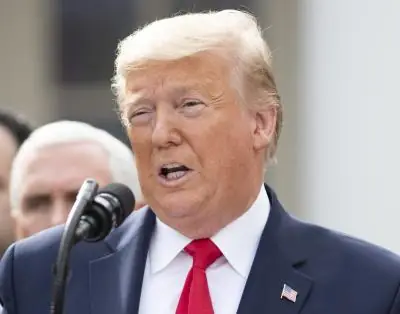
Speaking to reporters, Trump revealed his negotiation intentions without specifics: ‘I’m planning to talk with them. We’ve got powerful ships en route, but it’d be best if we don’t need them.’ This reversal caps weeks of fiery rhetoric promising unprecedented strikes on the Islamic Republic.
Turkey, sensing opportunity, advised Iran to offer oil deals to the US to sidestep military conflict. Ankara also floated itself as a potential go-between, emphasizing the fragility of any truce.
The carrier group’s arrival enhances US strike capabilities while protecting regional partners from reprisals. Additional air defenses, including Patriot and THAAD systems, are being rushed to the area, per US officials.
Pentagon leader Pete Hegseth declared full military backing for Trump’s choices, underscoring America’s preparedness.
Quiet diplomacy has been underway, with messages exchanged through Oman involving key figures like Steve Witkoff and Abbas Araghchi, aiming to schedule de-escalatory meetings.
Trump’s gamble blends carrot and stick: massive naval power as leverage for dialogue. Critics question if Tehran will bite, given longstanding distrust. Yet, with oil markets jittery and allies on edge, this pivot could reshape Middle East dynamics—or unravel into chaos.