



Tensions are rising in Washington over America’s dependence on imported drugs, with US senators demanding mandatory country-of-origin labels to empower consumers and safeguard national security. During a Senate Special Committee on Aging hearing, the spotlight fell on how 94% of active ingredients in generic medicines—91% of all US prescriptions—hail from abroad, predominantly India and China.
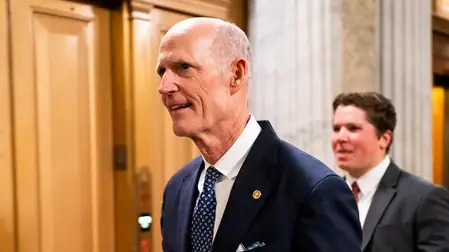
Chair Senator Rick Scott launched the ‘Clear Labels Act,’ a bold proposal requiring full disclosure of where prescription drugs and their core components are made. He painted a dire picture: lack of info leaves healthcare providers in the dark, complicating oversight of distant factories. The COVID export bans by India served as a wake-up call, proving the fragility of foreign reliance.
Public health and security hang in the balance, Scott warned. Without reliable domestic alternatives, any export halt could cripple access to vital treatments. Senator Ashley Moody stressed the impossibility for everyday buyers to trace drug sources, pointing to FDA alerts on contaminants like carcinogens and unhygienic plants that hit vulnerable elderly populations hardest.
Witnesses offered nuanced support. Professor John Gray of Ohio State advocated QR codes for scannable details on manufacturing sites and quality risks, challenging the myth of interchangeable generics amid spotty foreign inspections. Michael Ganio argued transparency could end cutthroat pricing wars, with studies showing preference for North American products.
Stephen Schondelmeyer from the University of Minnesota called out the hypocrisy: labels adorn food and apparel, yet not life-saving pills. He lauded New Zealand’s public database as a model and noted India’s mixed record—strong supplier but inconsistent quality. Steven Colville from Duke-Margolis detailed systemic pressures, from chronic shortages to geopolitical tensions spurring onshoring efforts.
As the committee mulls legislation, the hearing record remains open. Long-standing warnings about supply chain weaknesses, supercharged by COVID-era restrictions, have united both parties in pursuit of reform, potentially reshaping how Americans access affordable, safe medicines.