


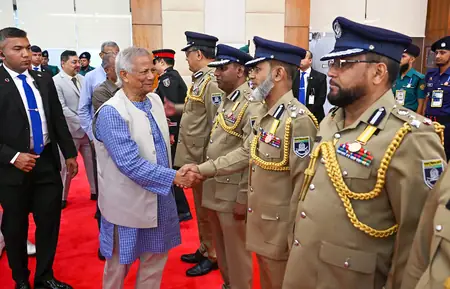
In a major setback for gender equality, Bangladesh’s interim government under Muhammad Yunus has utterly failed to institutionalize women’s role in politics, according to a damning Thursday report. Known worldwide for microfinance’s empowerment of women, Yunus’s team has overlooked bolstering female presence in decision-making arenas.
Even with a reform agenda, no firm steps were taken to protect or expand women’s political involvement. Political parties’ structures actively block their entry, and this governmental passivity could erode existing participation further.
Data from The Daily Star reveals the extent of the problem post-nomination deadline: women candidates hover around 4% in general seats across most constituencies. Of 30 parties, not one prominently featured women, exposing deep structural biases.
‘This reflects a pattern where women are equipped for development tasks but barred from political leadership,’ the report observes, citing Prathom Alo research. The National Consensus Commission’s 5% quota suggestion fell on deaf ears—BNP at 3.5%, Jamaat-e-Islami at nil. Small parties toyed with female nominees only to retract them.
Critics, including ex-reform commissioners and rights advocates, accuse parties of hypocrisy, ignoring commitments amid ongoing underrepresentation. This crisis spotlights Bangladesh’s paradox: progressive on paper, regressive in practice. With polls looming, urgent intervention is needed to prevent a democratic backslide excluding half the population.