



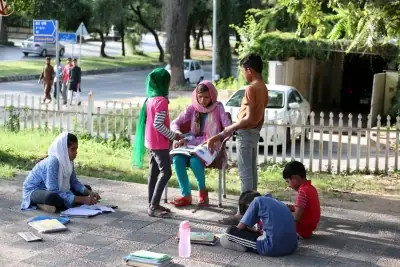
In Pakistan, the dream of education for girls shatters after primary level, thanks to glaring governmental inaction. Reports paint a grim picture: post-class 5, girls encounter barriers like remote schools, perilous commutes, all-male faculty, and familial reluctance, leading to mass attrition despite their resilience against hardships.
Malala Fund Pakistan’s CEO Nishat Riaz, in a powerful Express Tribune piece, calls this a betrayal of ambition. Girls flock to schools battling floods and strife, but the flawed system deems partial enrollment a triumph, ignoring the exodus in middle school.
She critiques the spectacle-driven approach: grand inaugurations with beaming children and textbooks overshadow the silent disappearance of girls entering puberty. Data from the forthcoming ‘State of Girls’ Education’ report confirms primary gains evaporate into a dropout crisis. Girls don’t quit voluntarily; the system excludes them.
Scarcity of middle schools is key, with distances intertwined with risks – harassment fears, household chores, societal pressures, economic strain. Sans proximate facilities or secure rides, education rights promised in the constitution become hollow by pre-teens.
Basic literacy falls short, Riaz argues. It equips girls to follow, not innovate or lead. Primary-only education perpetuates inequality; secondary opens doors to agency and choice.
Pakistan’s secondary education for girls is deteriorating fast. True progress demands overhauling infrastructure, staffing, transport, and mindsets. Failing half the population in formative years dooms the nation’s future. Urgent, comprehensive reforms are non-negotiable.