



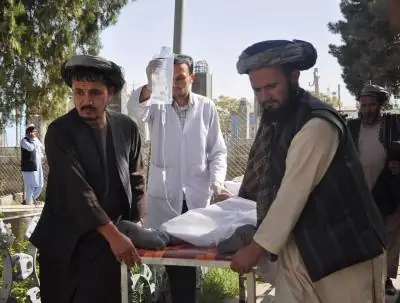
The shadow of despair looms large over Afghanistan, where UN agencies predict an escalating health catastrophe. By 2026, OCHA estimates 14.4 million citizens will desperately seek health services, yet current initiatives can only cover 7.2 million. This gap highlights the fragility of aid efforts in a country burdened by ongoing turmoil.
Thursday’s media disclosures from OCHA detailed the demographics: over half are children, nearly a quarter women, and one in ten disabled individuals. Securing the required $190 million-plus funding remains a critical hurdle for 2026 operations.
Afghanistan is poised to hold its unwanted title as the globe’s top humanitarian hotspot, with 22 million relying on external assistance. Efforts to expand immunization drives, maternal health programs, and urgent care are intensifying, led by global partners and local NGOs.
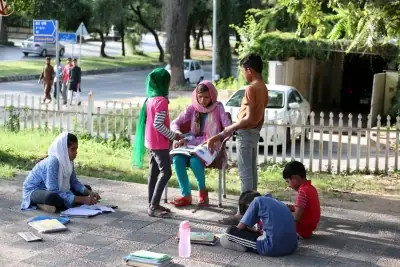
UNICEF sounded the alarm on child malnutrition Tuesday, reporting 3.7 million cases yearly in one of the worst crises worldwide. Post-2021 economic freefall, combined with drought and aid deficits, has worsened the scenario. The World Food Programme reveals 90 percent of households struggle to buy sufficient nutrition, stunting children’s growth permanently.
At the launch of new anti-malnutrition protocols, UNICEF’s Tajuddin Oyewale stressed immediate action, especially for life-saving measures in extreme cases and specialized infant care. These guidelines promise improved recovery rates and vital protection for vulnerable young lives.
Root causes abound: entrenched poverty, chronic hunger, healthcare deserts in villages, malnourished mothers, and curbs on women in medicine. Rural communities suffer most acutely, cut off from essentials. Without surged international commitment, Afghanistan’s most fragile populations risk irreversible losses, demanding a unified global response to avert deeper tragedy.