


Krishna Devi’s rise from a modest village in Sheikhpura, Bihar, to a celebrated Tanjore painting artist is nothing short of inspirational. Hailing from Gunhesa in Gagri Panchayat, she overcame societal taunts, limited schooling, and resource constraints through sheer grit and her Jivika affiliation.
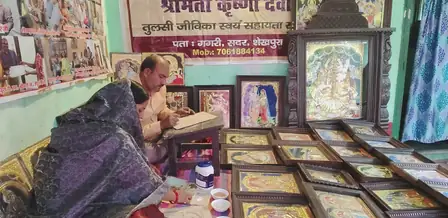
This self-help initiative propelled her into economic self-sufficiency while popularizing Tanjore art—a Tamil Nadu specialty—in Bihar’s heartland. Trained professionally in Chennai, Krishna detailed the labor-intensive craft: plywood prepped with cloth, sculpted with lime and glue for embossed gods, painted vividly, and gilded with pure 22-carat gold. Completion timelines stretch to 15 days or more for expansive works.
Her paintings of divine figures like Lord Krishna, Rama, Vishnu, Lakshmi, and Shiva sell briskly in Delhi and beyond, amassing four lakh rupees in Bihar-based sales. Exhibition invites, fully sponsored, have taken her art to states far and wide.
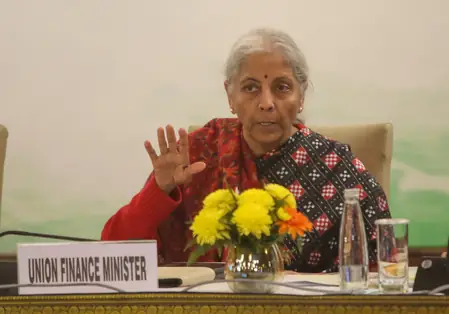
Praveen Kumar, her partner in this venture, traces their journey back to 2016 with Jivika. Pandemic-hit unemployment in Chennai brought them home, where Jivika’s endorsement led to fair participations, loans, and business growth. Skepticism from locals evolved into praise, highlighted by a ministerial honor at Noida Haat.
The gold layering defines Tanjore’s prestige, demanding precision and endurance. Raw material shortages force ongoing Tamil Nadu sourcing, yet their commitment endures. Opportunities at major events in Patna, Bhubaneswar, Indore, Gurugram, and Haryana have boosted demand, transforming lives.
Today, Krishna’s success underscores the power of traditional crafts for women’s empowerment. With Jivika and industry department backing, rural talents like hers not only sustain cultural legacies but also drive personal and communal progress, proving determination trumps all obstacles.