



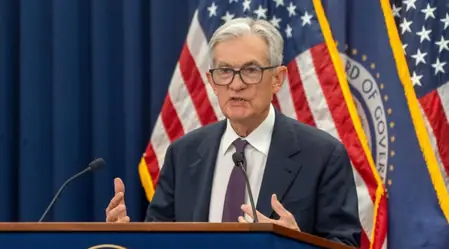
The culprit behind stubbornly high U.S. inflation isn’t runaway demand but tariffs on imported goods, Federal Reserve Chair Jerome Powell declared Wednesday. This comes as international markets watch Washington’s trade maneuvers with bated breath.
Powell dissected recent data, noting goods prices have borne the brunt of tariff effects, while services inflation cools steadily. The FOMC opted to maintain rates at 3.5-3.75%, a prudent hold as inflation hovers above 2%.
‘Tariffs typically cause a one-off price jump,’ Powell explained, suggesting the bulk of impacts have passed, with pressures set to wane. December’s core PCE hit 3.0%, headline 2.9%, but expectations stay stable near Fed targets.
The Fed will scrutinize tariff dynamics closely; without fresh impositions, goods inflation should crest soon. Policy remains data-dependent, eschewing timelines. Economic vigor persists via consumer outlays and capex, despite housing weakness.
Powell differentiated: tariff-driven inflation is manageable unlike demand-fueled surges. For global partners like India, U.S. tariffs disrupt supply chains and trade balances, underscoring the interconnected economic landscape where central banks view such hikes as temporary.