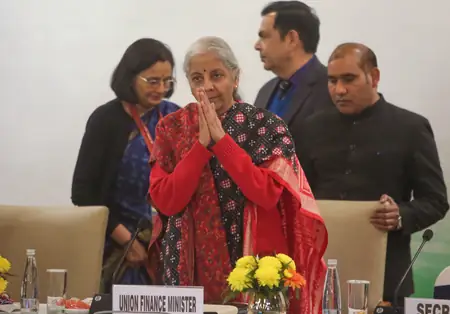




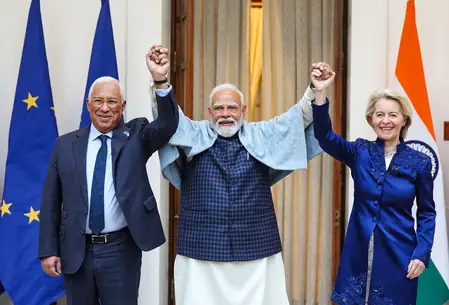
A powerhouse trade deal between India and the European Union has sent ripples through Washington, prompting soul-searching among US policymakers. Together, they command a quarter of global GDP and a third of world trade, with bilateral exchanges hitting $25 billion—less than the $45 billion with the US, but enough to spark serious concerns.
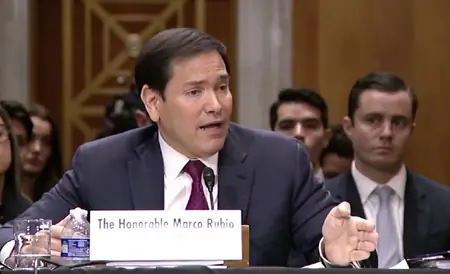
Prominent senators and administration figures fear marginalization. The FTA, they say, will redefine global commerce and alliances, bypassing American interests. Arizona Senator Mark Kelly blamed Trump’s ally alienations on X: EU-India pact, Canada-UK China talks—all fallout from past diplomacy.
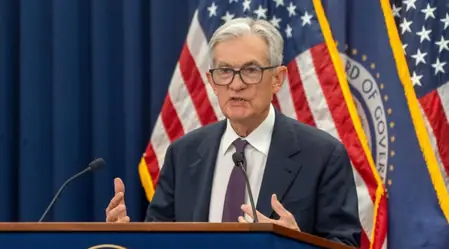
New Delhi’s announcement dubbed it historic. Ursula von der Leyen envisioned a 2-billion-person free trade bloc, a beacon in turbulent times linking top economies. Trump-era Treasury chief Scott Bessent vented on CNBC, slamming EU’s tariff hesitancy: ‘Very disappointing,’ he deemed their pivot to India.
Experts at ITIF call it a stark reminder of US lag. Rodrigo Balbontin notes flaws—Europe’s Digital Markets Act biases big tech, India’s IP enforcement lags—but potential upsides if it trims trade barriers. ITIF cheers the democratic duo’s bond against protectionism, eyeing China as prime foe.
Atlantic Council’s Mark Linscott cautions against overreaction. Phased rollouts mean slow gains; thorny topics shelved for later. Domestic approvals loom large. Crucially, no damage to US-India or US-EU trade foreseen—in fact, it could catalyze fresh US-India negotiations.
This saga traces back to 2007 talks, frozen over duties and access, rebooted in 2021. As India and EU charge ahead, Washington’s reactions underscore the imperative for strategic recalibration in a multipolar trade landscape.