

A scathing report exposes Pakistan’s transformation into a full-fledged military-led state in 2025, shattering the myth of internal stability. Imtiaz Gul, a prominent security analyst from Islamabad, argues in East Asia Forum that suppressing dissent and currying favor with global powers has yielded only brittle calm. The hybrid regime—once veiled in civilian garb—now stands naked in its authoritarian core, failing to win public faith.
Democracy took heavy blows last year. Courts lost independence, lawmakers became subservient, and the February 2024 polls’ disputed assembly bent to military will. Powers shifted formally to the armed forces through new laws, sidelining electoral competition for enforced ‘order.’
Imran Khan’s saga intensified this authoritarian turn. Jailed on alleged trumped-up charges since mid-2023, his incarceration sparked protests. Supporters appealed to U.S. figures tied to Trump, but international developments sidelined their pleas. UN concerns peaked in late 2025 over Khan’s treatment in solitary at Adiala Jail.
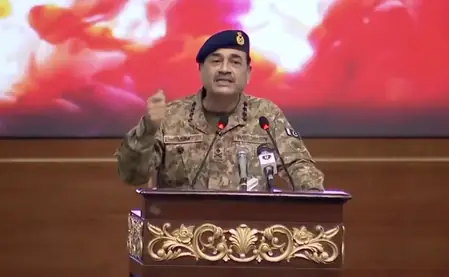
Trump’s praise for General Asim Munir as his top general poured cold water on release hopes. With 180+ cases since 2022, Khan remains a symbol of crackdown. Geopolitics explains the leniency: Pakistan’s military syncs with U.S. strategies against Beijing and Moscow, muting criticism of rights abuses and electoral flaws.
This report warns of peril ahead. Pakistan’s tinderbox of discontent means engineered stability could implode into profound disorder. As military entrenchment alienates the masses, the regime’s hollow ‘system’ harbors its downfall.