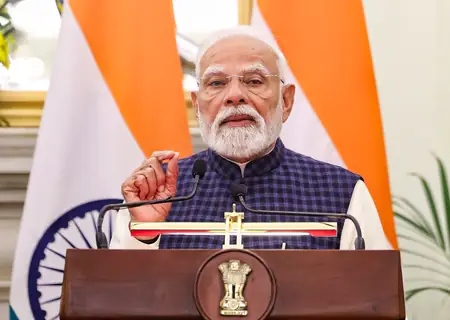
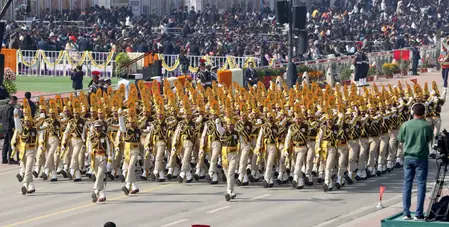


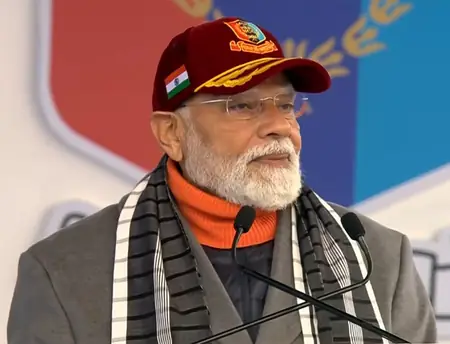
Prime Minister Narendra Modi electrified the NCC rally in Delhi on Wednesday, celebrating the landmark India-EU Free Trade Agreement as a monumental stride for economic self-reliance and global manufacturing prowess. Dubbed a ‘Freedom to Aspire’ for India’s youth, this deal is poised to supercharge ‘Make in India’ and extend its reach worldwide.
Modi painted a vivid picture of the agreement’s impact, noting its recognition as the ‘Mother of All Deals’ on the global stage—a game-changer embodying a quarter of world GDP and one-third of international trade. He contextualized it within India’s aggressive FTA strategy, including pacts with Oman, New Zealand, UK, UAE, Australia, and Mauritius, each forging pathways for countless young professionals.
The pact with the 27-nation EU bloc will invigorate startups by streamlining funding and ecosystem access. Creative industries—encompassing movies, gaming, fashion, digital media, music, and design—will thrive, while research, education, IT, and professional services unlock myriad prospects for ambitious Indians.
Why is it called the ultimate trade deal? Its comprehensive scope touches new heights, fueling self-reliance, manufacturing, and exports. With tariffs vanishing or plummeting on over 99% of Indian goods, textiles, leather products, gems, shoes, and engineering exports will boom. MSMEs, weavers, craftsmen, and tiny businesses gain unfettered access to European consumers.
A key highlight is the influx of investments catalyzing factories in high-tech sectors like engineering, electronics, pharma, and chemicals. Assured markets in agri-exports, food processing, and fisheries empower rural economies, benefiting farmers and fisherfolk. For urban youth, it’s a direct pipeline to jobs in 27 European nations, redefining career horizons.