


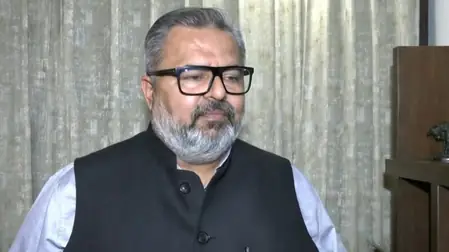
One year after Uttarakhand rolled out India’s first Uniform Civil Code, drafting committee member Manu Gaur is jubilant. In a candid conversation, he lauded CM Pushkar Singh Dhami’s leadership, which turned a bold promise into policy on January 27 last year.
The journey spanned three intensive years, aiming to level the playing field for women in personal laws. Gaur’s involvement in the committee was a personal highlight. ‘This is a proud moment—equality in marriage and inheritance for all,’ he affirmed.
Success metrics are staggering. The dedicated portal has logged 400,000 fresh marriage registrations, 800,000 older ones, and more than 4,000 wills—figures that spotlight UCC’s reach and relevance.
Skeptics argue it’s limited to weddings, but Gaur counters with action: 11 polygamy prosecutions and 54 triple talaq preventions last year alone, shielding women from abuse. Such interventions, often behind closed doors, prove the code’s teeth.
On live-ins, misinformation abounded, framing UCC as faith-hostile. Reality? Protecting families in non-traditional setups. From 162 filings, 70 got the green light; rejections stemmed from rule breaches, averting hidden risks.
Amendments have refined the code, much like India’s evolving Constitution. Uttarakhand pioneered live-in regulations—no prior data existed on such unions, preserving privacy while mandating safeguards per Supreme Court directives.
Gaur dismissed privacy alarms: Marriage details are private yet registrable nationwide. UCC builds on this, prioritizing women’s security. With milestones hit, Uttarakhand’s UCC sets a national template, ready for tomorrow’s challenges.