



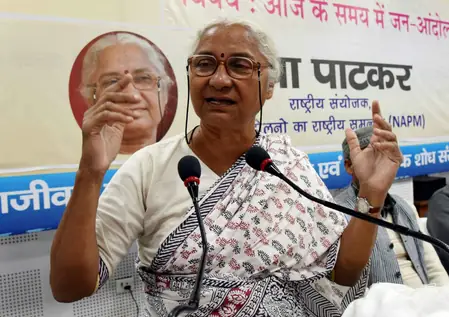
Delhi’s Saket Court delivered a major blow to the prosecution on January 25, acquitting social activist Medha Patkar in a criminal defamation complaint lodged by LG VK Saxena. The 18-year-old case, rooted in alleged remarks from a TV debate, crumbled under judicial examination due to lack of credible evidence.
Saxena had filed the complaint in 2001, claiming Patkar tarnished his reputation by accusing him and his organization of benefiting from Sardar Sarovar contracts during a 2006 broadcast. However, Magistrate Raghav Sharma’s order pointed out glaring evidentiary gaps. Prosecutors couldn’t prove Patkar’s direct involvement in the live discussion; her appearance was limited to a short, pre-recorded segment.
The judgment delves into the nuances of broadcast media, emphasizing that isolated clips do not equate to participatory statements. This technical yet pivotal finding led to Patkar’s exoneration, as no other ‘legally valid’ proofs emerged to support the charges.
Patkar’s activism, particularly her Narmada Bachao Andolan leadership, has long been a flashpoint. This case was one of two defamation suits Saxena initiated against her—one over TV comments, another on a press statement. The acquittal not only vindicates Patkar but also critiques the ease of filing such cases against dissenters.
Legal experts view this as a safeguard for expression rights, urging complainants to back claims with irrefutable facts. For Patkar, it’s relief after years of court battles, freeing her to intensify campaigns on rehabilitation and environmental justice. The outcome signals courts’ reluctance to penalize activism without proof.