



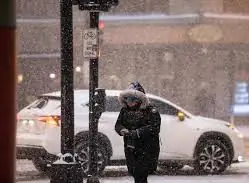
America’s heartland and beyond reeled from a monstrous winter tempest that dumped snow, sleet, and ice, crippling infrastructure and daily routines. Over 20 states invoked emergency protocols amid blackouts affecting more than 132,000 households and brutal cold snaps.
Stretching from the Rockies to the Atlantic seaboard, the storm menaced 37 states and nearly 190 million residents under weather warnings. Ice pelted areas from New Mexico to Tennessee, heavy snow smothered the Midwest and Mid-Atlantic, and polar vortex-like winds made temperatures feel like minus 20 to 30 degrees in many spots—dwarfing seasonal norms by up to 40 degrees.
Utility lines snapped under ice weight, sparking outages concentrated in southern states. Texas led with 57,000-plus without power by Saturday afternoon, followed closely by Louisiana’s 45,000 affected homes and businesses, worst in the north.
Air travel suffered massively, with 9,000 flights scrapped nationwide over the weekend and Sunday looming as a nightmare for airlines. Airports in Dallas-Fort Worth, Charlotte, and Nashville bore the brunt.
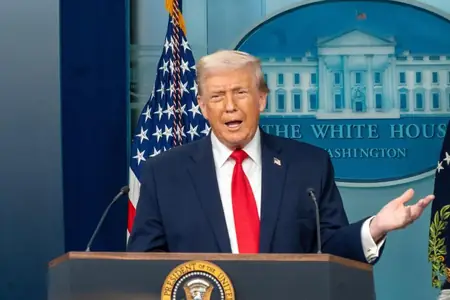
Declarations of emergency swept through at least 20 states—Texas, New York, New Jersey, Pennsylvania, Georgia, Carolinas, Virginia, Midwestern and Southern locales—and Washington D.C. Federal approvals from President Trump unlocked FEMA resources for relief.
‘Local leaders are on the front lines,’ Homeland Security’s Kristi Noem reminded citizens, stressing compliance with regional directives and eschewing unnecessary trips. National Guard troops in 12 states tackled snow-clogged roads, rescued travelers, and aided locals.
South Carolina’s Governor Henry McMaster prepared residents for multi-day blackouts from ice overloads. Dubbed one of the worst in 20 years by weather experts, Virginia Governor Abigail Spanberger deemed it ‘highly destructive.’ D.C. federal offices shuttered Monday for remote work; New Jersey halted public transport.
Texas’s grid woes resurfaced prominently. Relief may come slowly next week, but New England and Great Lakes areas face persistent freeze. Stay home, minimize outings, stock up—authorities’ clear message amid the mayhem.