

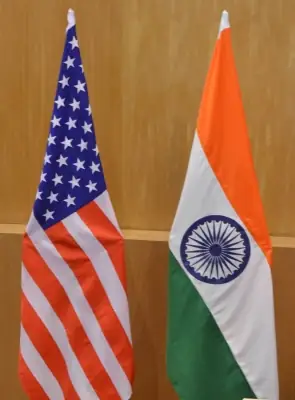
Negotiators from India and the United States are on the verge of clinching a pivotal bilateral trade deal, with consensus emerging on the bulk of provisions. Holdouts center on sensitive areas like tariffs on imports and exports, alongside the rollout timeline for the agreement.
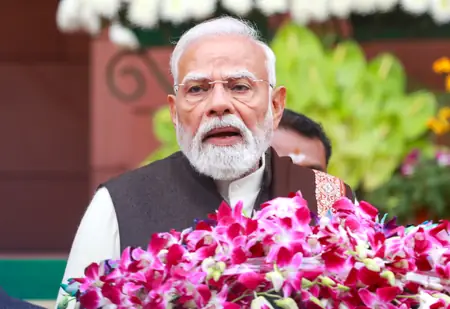
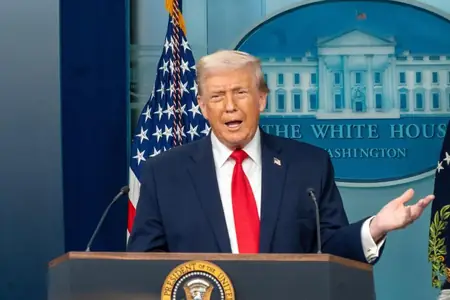
The shared goal: a stable, confidence-building framework for mutual trade. Talks have accelerated dramatically in recent weeks, narrowing disputes to a minimal set. Informed insiders note ongoing technical exchanges, paving the way for approvals from top trade offices before escalation to leaders Modi and Trump.
Modi and Trump’s repeated telephonic engagements in recent months likely sketched the deal’s contours. The US President’s Davos remarks underscored faith in a ‘strong’ trade accord with India, fueling momentum.
Among potential wins, lifting the US’s 50% tariff on Indian products—active since last summer—stands out, especially relieving India’s vital textile industry. Remarkably, bilateral trade has inched higher overall, even as apparel and textiles grappled with headwinds; select textile segments and pharma exports bucked the trend with upticks.
US legal clouds persist, with Supreme Court scrutiny of tariff powers flagged as a non-issue for now but a latent threat. Contingent laws impose tighter constraints on tariffs, which could upend policy directions if invoked.
Bipartisan backing in Congress bolsters India-US economic ties, with calls for intensification ringing loud. Yet, immigration frictions—such as escalated H-1B visa fees—preoccupy firms and talent, casting indirect shadows over business sentiment despite exclusion from trade specifics.
This eagerly awaited pact could herald tariff relief, export growth, and fortified partnerships, positioning India-US trade on firmer footing amid global uncertainties.