



With the 2026-27 Union Budget looming, stakeholders in India’s education sector are vocal about their expectations. They advocate for a strategic shift towards elevating higher education standards and amplifying research initiatives to position India as an innovation epicenter.
Key recommendations include scaling up enrollment at elite IITs and IIMs through additional seats. This expansion is vital to accommodate the surge in aspirants and meet industry needs. Parallelly, upgrading infrastructure in non-subsidized universities demands attention.
A bold suggestion: enforce 10% CSR fund allocation from companies to these institutions. Such funds could revolutionize learning environments with AI-enabled platforms, advanced laboratories, smart classrooms, and comprehensive digital libraries.
One expert emphasized education’s pivotal role in steering national development. India’s current education spend hovers at 4-5% of GDP, far below the 10% benchmark of advanced economies. Given the demographic advantage, increased investment is imperative.
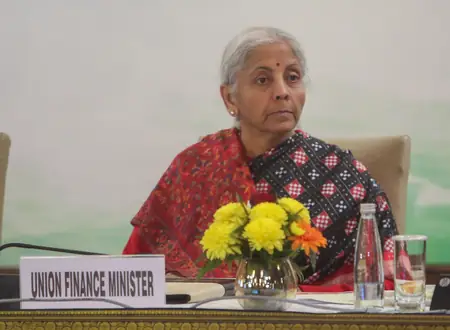
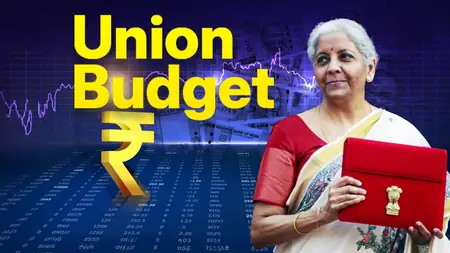
To eradicate digital disparities, curricula must align with employable skills, fostering global competitiveness and long-term economic resilience. The budget presentation by FM Nirmala Sitharaman on February 1, a Sunday affair after 2000, promises pivotal announcements.