

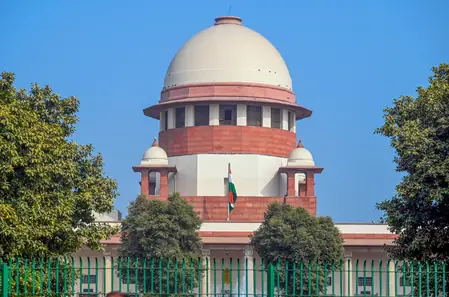
New Delhi’s legal corridors buzzed with anticipation as the Supreme Court wrapped up hearings on a crucial petition challenging the constitutionality of hanging as India’s sole execution method. The court has now reserved its decision, leaving the nation on edge for what could be a transformative judgment.
At the heart of the matter is a 2017 petition by noted lawyer Rishi Malhotra, who branded hanging as barbaric and violative of human dignity. He detailed the gruesome realities: convicts often endure minutes of agony, with the drop failing to snap the neck cleanly, leading to strangulation. Advocating for lethal injection, Malhotra pointed to its adoption in the US and Europe, where it ensures near-instantaneous death through chemical means.
The petition urges courts to offer condemned prisoners a choice, arguing that such an option respects individual autonomy in their final moments. This plea resonates amid growing calls for death penalty reform in India.
The Union government, through its top law officer, revealed the formation of a panel studying options but defended hanging’s efficacy and safety. Officials argued it’s enshrined in law and minimizes risks to execution personnel.
Undeterred, the justices rebuked the Centre’s conservatism, invoking the Constitution’s progressive spirit. ‘Change is inevitable; a dignified end is a fundamental right,’ the bench observed, pushing for alignment with contemporary human rights norms.
After years of adjournments, the court has set a three-week deadline for final briefs. With precedents from global jurisdictions influencing the discourse, this verdict could end hanging’s monopoly, sparking debates on mercy, justice, and modernity in India’s criminal justice framework.