



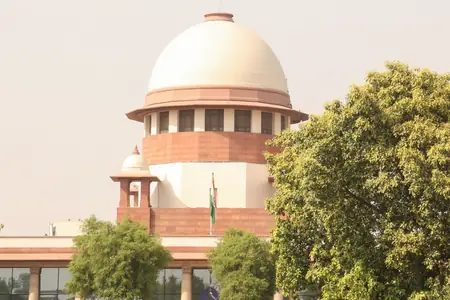
The ghost of the 2000 Red Fort attack returns to haunt Indian courts as the Supreme Court sends a notice to Delhi Police on terrorist Mohammad Arif alias Ashfaq’s curative petition. Despite earlier rejections of his review and curative pleas, a new judicial precedent has breathed life into his challenge against the death penalty.
Ashfaq, a dreaded Lashkar-e-Taiba member from Pakistan, was handed capital punishment by the apex court in 2011 for orchestrating the deadly assault. His subsequent mercy petition to the President also fell flat.
That fateful night of December 22, 2000, saw LeT gunmen infiltrate the historic Red Fort, spraying bullets indiscriminately. The toll: three fatalities, including Rajputana Rifles’ Rifleman Uma Shankar and Naik Ashok Kumar, plus civilian Abdullah Thakur.
Swift action by Delhi Police led to Ashfaq’s capture alongside his wife in Jamia Nagar four days later. The 2001 chargesheet named 21 suspects; eight absconded, three met their end in encounters. Trials culminated in 2005 with convictions: death for Ashfaq, seven years for Rehmana, life terms for the Kasid brothers, and seven years for the remaining trio.
Legal experts are watching closely as this case tests the boundaries of curative relief in terror convictions. It highlights the judiciary’s commitment to exhaustive due process, even in matters of national security.