



A bold redesign of America’s H-1B work visa lottery is set to supercharge the economy with nearly $20 billion in benefits over the next ten years, according to a fresh Government Accountability Office analysis. But the promise of prosperity is clouded by doubts over whether the Department of Homeland Security is rushing the implementation.
Under the new weighted system, applicants with advanced skills and higher salaries will gain an edge in the selection process. This shift, costing $303 million to roll out, is expected to deliver $19.78 billion in net public benefits and up to $34.34 billion in broader transfers from 2026 to 2035.
The sticking point? Timing. The rule’s start date of February 27, 2026, appears to sidestep the 60-day buffer required by the Congressional Review Act after rules are submitted to Congress or hit the Federal Register. Submitted and published on December 29, 2025, it reached the House that day and the Senate on January 5.
GAO flagged this in a report sent to Judiciary Committee chairs in both chambers, who oversee immigration and DHS. The agency highlighted disproportionate effects on small businesses, leading to a dedicated impact study.
DHS defends the move as a refinement to better serve legislative goals, maintaining options for hiring across wage tiers. No new federal orders necessitate extra declarations, they say.
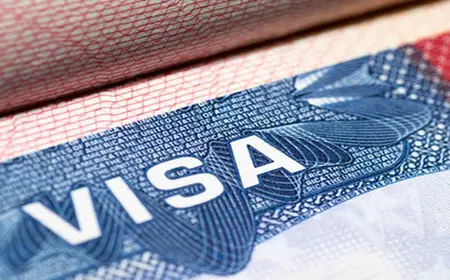
H-1B, a lifeline for skilled immigrants especially from India in high-demand fields like IT and medicine, now faces scrutiny that could reshape opportunities for global talent entering the US job market. The economic upside is clear, but procedural purity remains under the microscope.