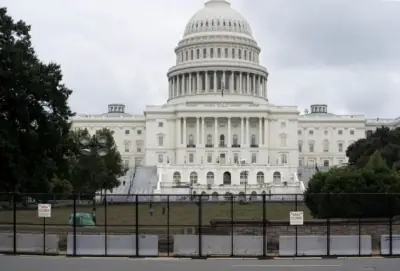


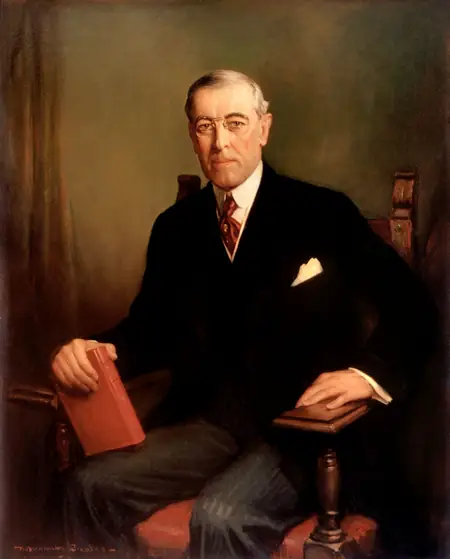
As global tensions simmer today, revisiting President Woodrow Wilson’s historic plea for ‘Peace Without Victory’ offers timeless lessons. Delivered to the Senate on January 22, 1917, during World War I’s darkest hours, the address rejected the idea of one side crushing the other. With trenches scarring Europe and casualties mounting, Wilson proposed a negotiated peace ensuring security and dignity for all nations.
‘There can be no leagues of free nations unless all nations are free,’ Wilson declared, emphasizing that punitive peace breeds instability. This broke from age-old warfare norms where victors dictated terms. European allies, battle-hardened and bitter, prioritized punishing Germany over Wilson’s equitable vision.
Yet, Wilson’s persistence paid off. His speech evolved into the Fourteen Points, a blueprint for a new world order featuring freedom of the seas, reduced armaments, and an international body to prevent wars—the League of Nations. Though the U.S. never joined, the concept endured, inspiring the UN’s formation.
Critics at the time labeled it naive, but history vindicates Wilson. The Treaty of Versailles’ harsh terms on Germany fueled World War II, proving his point. Today, ‘Peace Without Victory’ reminds diplomats that sustainable resolutions prioritize reconciliation over retribution, fostering a world where cooperation triumphs over conquest.