



In a bold geopolitical maneuver, India is considering full integration into the America-led Pax Silica group as supply chain frictions intensify between China and the West. The decision underscores New Delhi’s drive to enhance technological resilience while safeguarding its strategic independence.
Joining Pax Silica promises India enhanced collaboration with tech powerhouses, influx of foreign investments, and robust supply chain fortifications. Yet, Indian policymakers are resolute in protecting the nation’s autonomy from any dilution through this partnership.
Comprising semiconductor heavyweights such as Singapore, Israel, Japan, South Korea, Australia, and the UK, Pax Silica targets the frailties of over-reliant supply networks vital for consumer gadgets, vehicles, and AI innovations.
India, as an emerging powerhouse, eyes policy concessions including subsidies, priority in government purchases, and fair import rules—potentially clashing with certain allies’ agendas. Parallel efforts with Japan and Singapore are underway to craft adaptable semiconductor ecosystems.
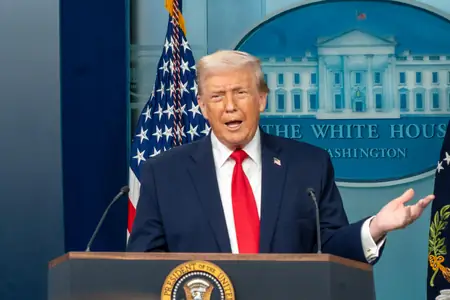
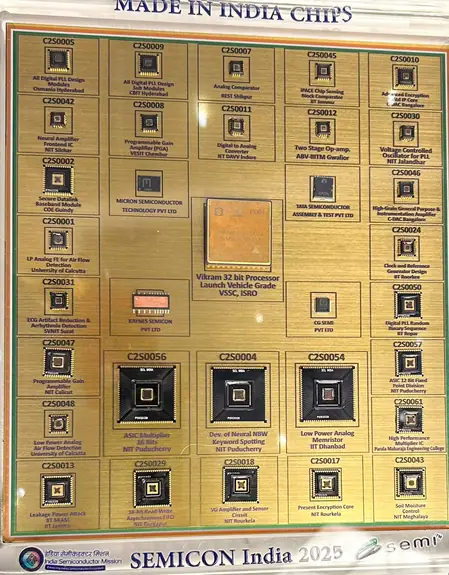
US Ambassador Sergio Gor wasted no time on his arrival in India, proclaiming advanced tech supply chain alliances and India’s inclusion as a full Pax Silica member. Minister Ashwini Vaishnaw affirmed India’s ascent in the comprehensive electronics domain, with four new semiconductor facilities gearing up for commercial operations this year.
Experts view this as a masterstroke in India’s tech diplomacy, diversifying risks from Chinese dominance and propelling domestic manufacturing. With global chips at stake, Pax Silica membership could cement India’s role in tomorrow’s digital economy.