



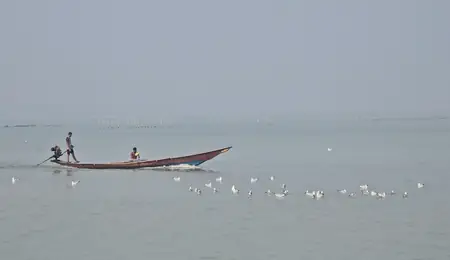
In a critical effort to safeguard one of India’s natural treasures, the dolphin population census has commenced at Chilika Lake in Odisha. Starting from Satpada, 18 expert teams will fan out over three days, using advanced techniques to enumerate Irrawaddy dolphins in this Ramsar-listed wetland.
Stretching over three districts – Puri, Khurda, and Ganjam – Chilika’s waters fluctuate dramatically with seasons, expanding in rains and contracting in heat. Its status as Asia’s biggest brackish lagoon earned it international acclaim in 1981, drawing birdwatchers in winter and adventure seekers for boating, angling, and dolphin encounters.
Irrawaddy dolphins, elusive residents named for a distant river, are unique to Chilika’s inland waters among Odisha’s coastal varieties. Assistant Conservator Soumya Ranjan Sahu outlined the logistics: post-training at two sites, teams deploy boat transects – repeating fixed paths thrice for precision data. Gear includes GPS devices, binoculars, cameras, and standardized forms.
Day one wrapped up successfully, with surveys from multiple launch points. Expect continued operations tomorrow and the next, culminating in comprehensive analysis. Rare humpback sightings last year highlight the census’s surprises.
Conservation calls rang loud: no plastic littering, respect dustbin placements, and maintain distance from dolphins to preserve their habitat. WWF coordinator Sadhvi Sindhura highlighted the broader implications. ‘This isn’t a one-off; it’s ongoing vigilance,’ she said. Teams log activities per global protocols, revealing the lake’s health through dolphin well-being.
A robust dolphin count means a vibrant ecosystem, bolstering local economies tied to fishing and eco-tourism. Chilika’s fate intertwines wildlife protection with human prosperity.