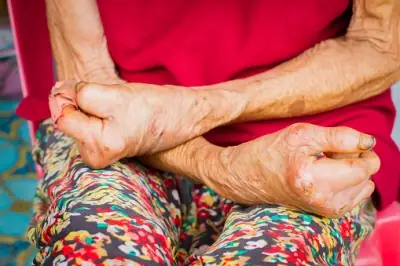





You’ve heard it a thousand times: cracking your knuckles will wreck your hands. Grandmas worldwide swear it causes arthritis, weak bones, and endless pain. Time to separate folklore from scientific evidence in this comprehensive breakdown.
At the heart of the crack is cavitation—the bursting of gas bubbles in synovial fluid inside joint capsules. This natural process lubricates joints for fluid motion. No bones rub together; no damage occurs. High-speed imaging confirms bubbles form and pop harmlessly within milliseconds.
Pioneering research debunks the myth definitively. A 1990 study in the Annals of the Rheumatic Diseases tested habitual crackers against non-crackers—no link to hand osteoarthritis. Even extreme cases, like daily cracking over decades, show zero correlation with joint disease.
Ayurveda offers nuance: Vata governs joint suppleness. Balanced Vata handles occasional pops fine, but imbalance—marked by aches or swelling—means avoid it. Tailor habits to your constitution for optimal health.
Individual factors matter hugely. Robust skeletons and pain-free joints? Green light. Pre-existing conditions like rheumatoid arthritis or osteoporosis? Proceed with caution; added pressure might exacerbate issues.
Psychologically, it’s a stress-buster for some, mimicking fidgeting that soothes anxiety. But long-term, it’s no substitute for proven therapies. Opt for progressive muscle relaxation, aromatherapy, or tai chi to manage tension effectively.
Bottom line: For healthy folks, knuckle-cracking is a myth-busting non-issue. Science says enjoy the sound guilt-free, but prioritize joint health through diet, exercise, and stress management for life.