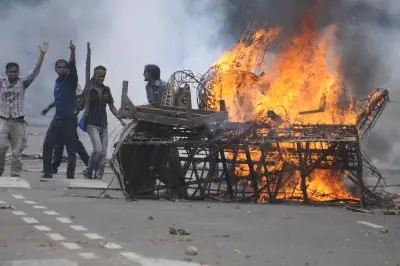



With general elections set for February 12, Bangladesh grapples with escalating violence against women and Hindu minorities, exposing cracks in the interim government’s stability under Muhammad Yunus. The surge underscores a failure to protect vulnerable groups as the country prepares for its first post-Hasina vote.
Citing official police records, Human Rights Watch reports a marked increase in gender violence from early 2025 onward. Shubhajeet Saha of HRW attributes this to hardline religious factions opposing women’s empowerment initiatives. Their May backlash against government reforms triggered a wave of harassment—verbal, physical, and cyber—stifling female voices nationwide.
This comes against a backdrop of minority persecution. A December mob killing of Dipuchandra Das over blasphemy claims exemplifies the dangers, with 51 documented Hindu-targeted incidents, 10 fatal. In Chittagong Hill Tracts, ethnic groups endure security force excesses even after the revolution.
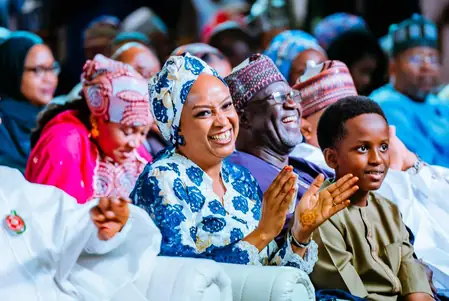
Despite trailblazing women leaders and active roles in 2024 protests, political parties shun female nominees. Thirty of 51 parties offer no women tickets; Jamaat-e-Islami’s 276 candidates are all male. Experts warn of record-low female participation, branding it a democratic setback.
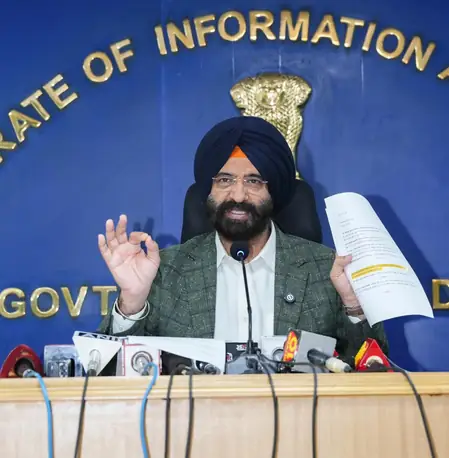
A Dhaka forum this week, attended by civil society heavyweights from Nari Uddug Kendra to Voice for Reform, slammed the Election Commission’s inclusive talk as empty. Activists reject quota seats, pushing for open competition to prove women’s mettle.
The interim regime’s human rights record now hangs in the balance. As polls approach, addressing these assaults isn’t just a moral imperative—it’s key to restoring trust in Bangladesh’s fragile transition to democracy.