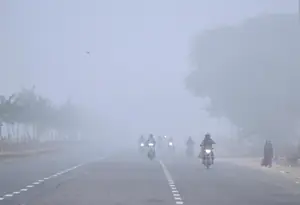


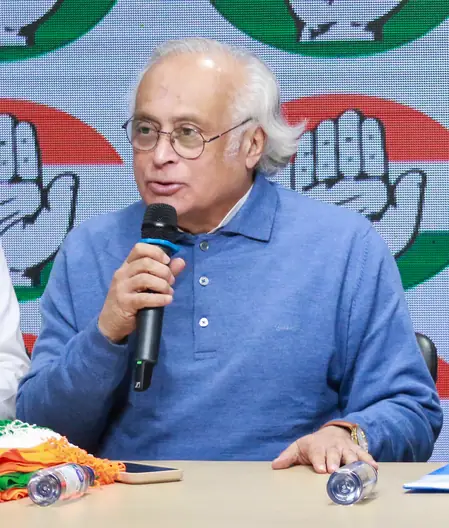
In a fiery broadside against the BJP-led government, Congress MP Jairam Ramesh labeled the National Clean Air Programme (NCAP) as ‘kagazi’ – nothing but a stack of useless papers. Speaking amid Delhi’s worsening air quality index, Ramesh exposed the gaping holes in India’s flagship anti-pollution drive.
Launched in 2019 with ambitious goals, NCAP aimed to cut particulate matter by 20-40% in 131 polluted cities. Five years on, progress is dismal. Independent assessments reveal most cities have barely moved the needle, with Delhi’s AQI often breaching 400 – ‘severe’ territory.
Ramesh dissected the failures: inadequate funding, with only 30% of promised grants disbursed; poor city action plans lacking specifics; and zero accountability for non-compliant states. ‘This is criminal negligence,’ he thundered, linking it to the ruling party’s reluctance to crack down on industrial polluters and farm lobbies.
The human cost is heartbreaking. Over 1.6 million deaths annually are attributed to air pollution in India, per global studies. Pediatricians warn of lifelong lung damage in kids exposed to toxic air. Yet, government measures like odd-even schemes offer temporary Band-Aids.
Congress’s alternative vision includes a ‘Clean Air Mission’ with satellite monitoring, EV mandates, and penalties for violators. Ramesh invoked his tenure as Environment Minister, crediting UPA policies for early gains in green governance.
Opposition voices are amplifying. Allies like AAP and regional parties decry the same lapses, demanding a pollution emergency declaration. As north India braces for the ‘smog season,’ public outrage simmers.
The NCAP debacle symbolizes broader environmental neglect under Modi. From Ganga cleanup to forest cover loss, promises evaporate. Ramesh’s attack signals Congress’s strategy to corner the government on livability issues ahead of elections.
Time is running out. Without radical reforms, India’s skies will remain gray, and its people will pay the price.