



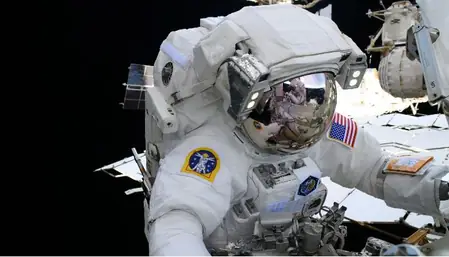
In a dramatic turn, NASA aborted a highly anticipated spacewalk at the International Space Station after one astronaut fell ill. The decision, made in the eleventh hour, prioritizes human life over mission timelines in the unforgiving vacuum of space.
Details on the astronaut’s condition are sparse, but sources indicate symptoms escalated rapidly, disqualifying them from the demanding EVA. Spacewalks aren’t casual jaunts; they require flawless coordination, endurance, and resilience against cosmic hazards like micrometeoroids and thermal extremes.
The walk aimed to tackle pressing repairs on the ISS’s life-support systems and scientific payloads. Orbiting continuously since 1998, the station serves as a testing ground for deep-space tech, but wear and tear demand constant vigilance.
Agency leaders moved swiftly to reassure the public. ‘No risks will be taken with our crew’s safety,’ affirmed mission control. Contingency protocols activated immediately, eyeing a swift redo with a healthy substitute.
This setback revives memories of past spacewalk hiccups, from spacesuit glitches to fatigue-induced errors. It spotlights NASA’s unyielding safety ethos, honed through decades of shuttle-era lessons and beyond.
Looking ahead, the ripple effects could nudge timelines for cargo deliveries and crew rotations. Yet, in spacefaring terms, adaptability defines success. As ground teams recalibrate, the world watches how NASA turns crisis into calculated progress.