


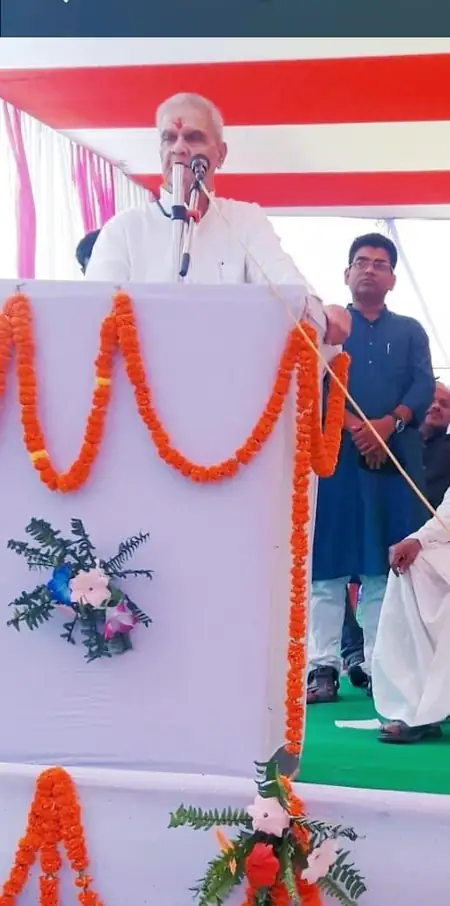
Bihar’s political landscape got a financial spotlight as Rural Development Minister Bijendra Prasad Yadav revealed that the state’s 243 MLAs have poured ₹3,633 crore into constituency development works spanning five years. This massive outlay highlights the direct intervention by elected representatives in addressing hyper-local needs.
From laying new irrigation canals to renovating community halls, the funds have touched every corner of Bihar’s 38 districts. Yadav, during question hour in the Vidhan Sabha, broke down the expenditure: an average of ₹30 crore per MLA, with variations based on constituency size and priority projects.
The minister attributed this robust spending to the Nitish Kumar government’s policy of empowering MLAs with dedicated area development funds (ADF). ‘This model ensures that development isn’t top-down but reaches the last mile effectively,’ he stated, citing success stories like improved connectivity in flood-prone regions.
Yet, the announcement has sparked mixed reactions. While ruling alliance members hailed it as proof of governance efficiency, opposition leaders like RJD’s Tejashwi Yadav questioned the efficacy, demanding evidence of completed projects versus mere allocations. Reports of unfinished roads and stalled schools have fueled such skepticism.
Looking ahead, Yadav outlined plans for the upcoming budget to hike ADF allocations by 15%, integrating them with central schemes like PMAY and Jal Jeevan Mission. As Bihar grapples with its perennial challenges of poverty and migration, these legislative investments could well define the trajectory of inclusive growth, provided execution matches ambition.