



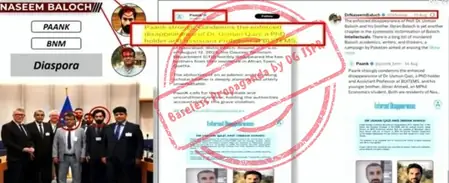
In a bold rebuttal from Quetta, the Baloch National Movement (BNM) has called out the Pakistani army for what it terms a ‘fabricated propaganda offensive’ targeting its leaders. The controversy erupted after ISPR Director General Major General Ahmed Sharif accused BNM’s Naseem Baloch of involvement in armed activities—a charge the group vehemently denies.
Naseem Baloch, a vocal advocate for Baloch self-determination, operates strictly within peaceful political channels, according to BNM. The accusations, they argue, are part of a fifth-generation warfare tactic blending misinformation and media trials to demonize dissenters.
Balochistan remains a flashpoint, rife with reports of human rights abuses by security forces. BNM has leveraged this by launching a targeted campaign under the EU’s GSP+ framework, which ties Pakistan’s trade benefits to respect for fundamental freedoms.
‘This smear campaign seeks to create hostility on social platforms and threaten our workers globally,’ BNM stated. It accuses the army of a history of framing opponents in grave crimes, from assassination plots to worse.
The timing is telling: as BNM’s advocacy gains traction across Europe, Pakistan’s military and government have doubled down on counter-propaganda. Activists claim this systematic defamation aims to destroy reputations and lives, inverting victims into villains—a longstanding ploy in the region.
BNM remains defiant. ‘We dismiss these lies and will fight back relentlessly,’ the group affirmed, vowing to expose violations on all fronts. This clash highlights deepening divides in Balochistan, where calls for justice clash with state control.
International observers are watching closely. GSP+ reviews could pressure Islamabad, forcing a reckoning with Baloch grievances amid allegations of illegal force and information warfare.