

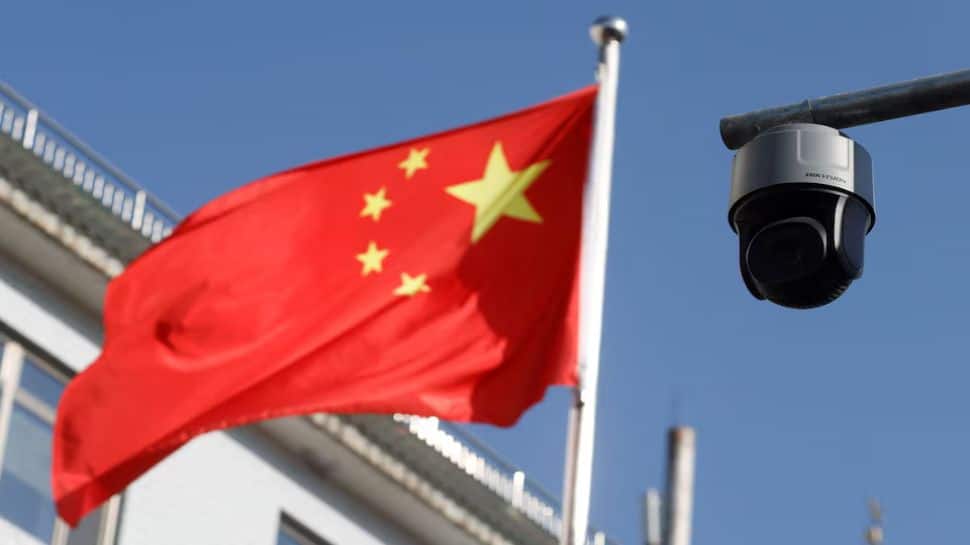
Even seemingly localized crackdowns on peaceful gatherings in major Chinese cities like Shanghai send ripples of fear across the nation, particularly impacting ethnic minority regions such as Xinjiang and Tibet. When authorities swiftly disperse quiet neighborhood meetings in cosmopolitan hubs, it serves as a stark reminder for Uyghurs, Tibetans, and Mongolians that dissent is never tolerated, regardless of location or ethnicity. These events, though occurring far from minority areas, reinforce an already pervasive climate of fear. The message is clear: if even small assemblies are forbidden in a global financial center, they are unthinkable in regions already under intense scrutiny. This reinforces the understanding that any unapproved expression, however mild, is deemed unacceptable by the state. The methods of control, often quiet and systematic, involve early intervention, post-event questioning, or temporary detentions. This approach, while less public, amplifies the sense of omnipresent state power. Families in China consistently report increased caution among relatives in these minority regions following crackdowns in major cities. This manifests as avoiding cultural or religious gatherings, limiting contact with outspoken individuals, and curtailing online activity. The underlying logic is that social interactions themselves can be perceived as potential collective action. Information flows further constrict as online monitoring intensifies nationwide, making communication with those outside China more guarded and focused on neutral topics. The shrinking sense of safety is palpable, as the state’s expectations for public expression are reinforced by events in typically open cities. This erodes personal expression, compelling minority groups to navigate daily life with constant caution, understanding that speech, movement, and association are narrowly defined by state approval. Ultimately, these crackdowns in urban centers do more than suppress local activity; they strengthen the pervasive message that state control extends from financial districts to remote towns, shaping behavior and shrinking the space for minorities to live without fear.