

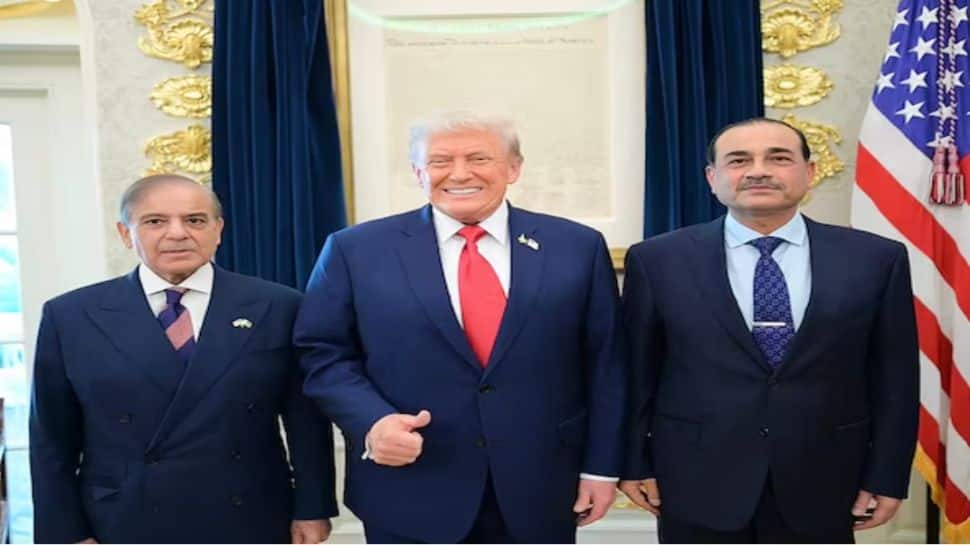
Pakistan appears to be strategically re-engaging with the global community after a period of perceived diplomatic isolation. For nearly three years following the ouster of former Prime Minister Imran Khan, Pakistan’s international standing seemed diminished, with limited engagement from major Western powers. However, recent months have seen a concerted effort, seemingly orchestrated by Army Chief General Asim Munir, to mend fences and revive crucial international relationships.
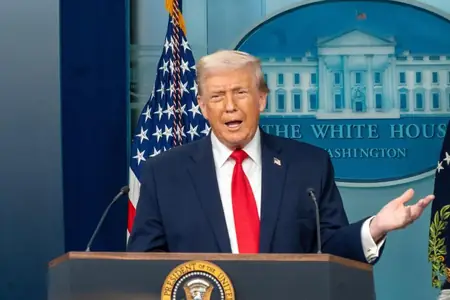
This renewed diplomatic push has been characterized by subtle yet significant moves. One notable aspect is the positive overtures towards the United States, with former President Donald Trump expressing strong praise for General Munir, describing Pakistan as a peacemaking nation. These comments suggest a potential shift in bilateral relations, with discussions reportedly underway for a new ‘package deal.’ This proposed agreement could involve US access to military bases, collaboration on cryptocurrency monitoring, exploration of critical minerals, and investment in Pakistan’s offshore oil fields.
The Pakistani military, under Munir’s leadership, appears to be seeking a political uplift and an economic lifeline through these international overtures. The nation has recently initiated the process of granting offshore oil exploration blocks to international consortiums, signaling a drive to tap into untapped resources. Despite historical challenges in offshore drilling, with limited wells drilled since 1947, these initiatives represent a significant economic ambition.
Simultaneously, Pakistan has intensified its engagement with Saudi Arabia. A recent visit by Prime Minister Shehbaz Sharif resulted in the announcement of a new Economic Cooperation Framework, encompassing joint ventures in key sectors like energy, mining, agriculture, IT, tourism, and food security. A defense pact signed in September further solidifies this alliance, with both nations agreeing to treat an attack on one as an attack on the other. This move is interpreted by analysts as an attempt by Pakistan to position itself as a reliable partner within the Islamic world and attract much-needed Saudi investment to bolster its fragile economy.
While these diplomatic maneuvers aim to project an image of strength and stability, some analysts view Pakistan’s current approach as reactive rather than strategic. They suggest that the deals are driven by immediate needs and a desire to regain public favor by showcasing a strong stance against India. The country’s willingness to consider sending troops to Gaza also points to an effort to demonstrate solidarity with the broader Muslim world. However, underlying domestic instability is seen as a key driver for this global outreach, with some experts arguing that the military is seeking to legitimize its influence through peace-building narratives. The international perception, according to these experts, remains one of Pakistan as an opportunistic state striving for relevance rather than a consistently dependable ally.