

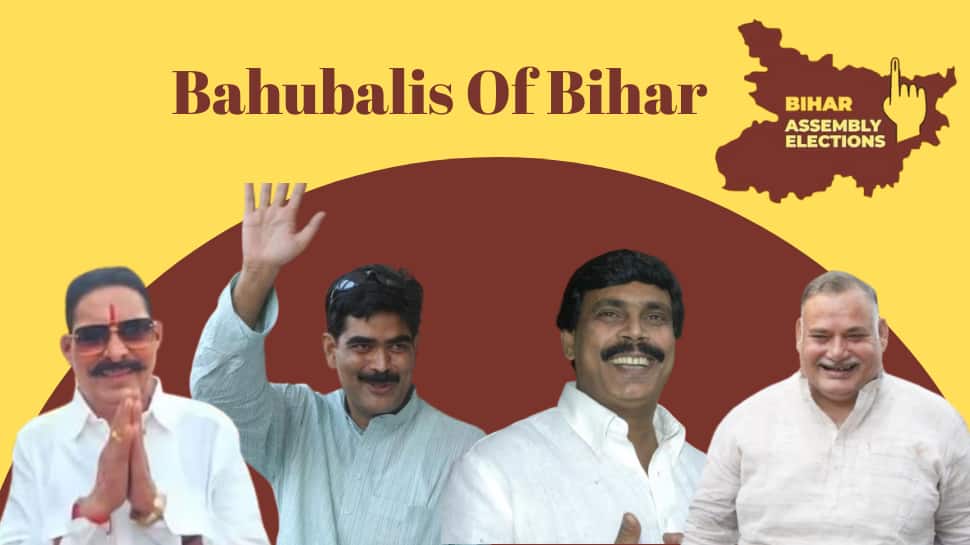
Bihar’s political landscape is once again dominated by the enduring presence of ‘bahubalis’ (strongmen) as the state gears up for the 2025 elections. This phenomenon, deeply intertwined with the state’s complex caste dynamics, sees these powerful figures leverage community support for electoral victories. The trend was significantly shaped by Mohammad Shahabuddin’s independent win in 1990, heralding an era where influence and patronage became crucial for political success.
These individuals often carve out niches in their strongholds, their sway frequently superseding party ideologies. They function as key power brokers, adept at mobilizing voters and influencing local administration. As elections approach, these bahubalis are asserting their presence, their relationships with both political parties and the electorate characterized by a transactional and often unpredictable dynamic.
This uneasy alliance between law and loyalty has become normalized, with each election reinforcing this unstable, yet persistent, connection. The upcoming polls are no exception, with numerous candidates facing serious criminal charges, including murder and extortion, highlighting the continued nexus between politics and muscle power.
The RJD leads with the highest number of controversial candidates, followed by JDU and BJP. Constituencies like Mokama, Siwan, and Vaishali are central to these contests, often featuring rival strongmen. Data indicates an increasing number of candidates with criminal records compared to previous elections.
Figures like Anant Singh, despite legal challenges, have maintained their political influence, with family members stepping in to retain their hold. Similarly, legacy strongmen like Munna Shukla and Anand Mohan continue to wield considerable power, their families actively participating in electoral politics. This enduring ‘situationship’ between parties, strongmen, and voters defines Bihar’s political narrative, a complex interplay of mutual need and uncertain outcomes.