

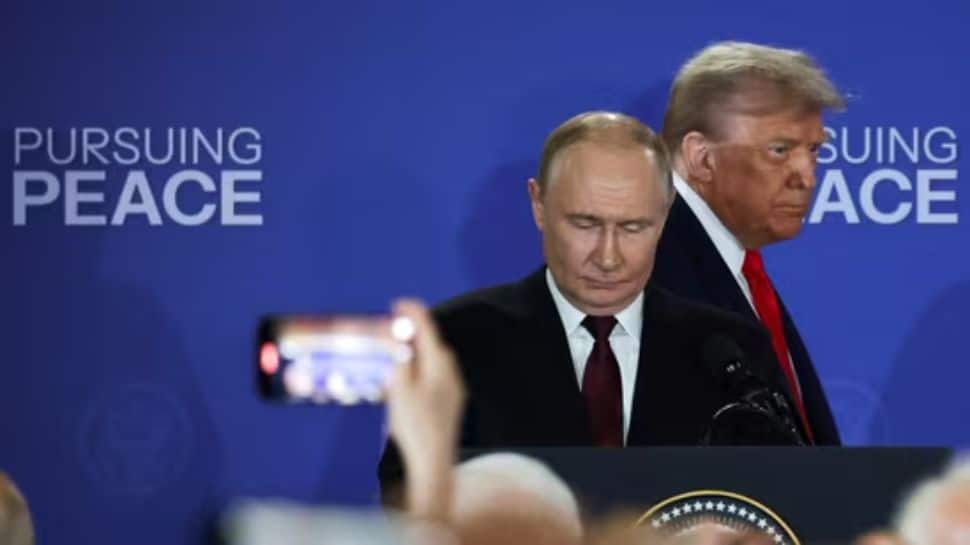
The United States has intensified its strategy against Russia by imposing new sanctions on the nation’s two largest oil companies, Rosneft and Lukoil. This move, coupled with the cancellation of a planned meeting between President Donald Trump and Russian President Vladimir Putin, signals a significant cooling of relations between Washington and Moscow. The White House’s decision to target key energy businesses indicates a shift in diplomatic focus, moving away from direct presidential outreach. While Trump has previously described his conversations with Putin as productive, the lack of tangible progress in diplomatic talks appears to have frustrated the administration, leading to this more direct economic pressure. Earlier efforts, like Putin’s visit to Alaska, aimed to foster personal diplomacy and explore new avenues for peace, but ultimately failed to yield a breakthrough. Ukraine and its European allies have voiced concerns throughout this process, particularly regarding Ukraine’s involvement and security.
The ongoing conflict sees Ukraine facing continued Russian attacks, with Kyiv urgently seeking guarantees for its security. American officials had reportedly explored providing military aid, including a proposal for Tomahawk missiles, underscoring the complex geopolitical landscape. Despite attempts at high-level engagement, such as talks between Secretary of State Marco Rubio and Russian Foreign Minister Sergei Lavrov, diplomatic progress remains elusive. Moscow has presented its own peace framework, emphasizing deeper political issues, but these discussions have not led to a resolution. As sanctions become the primary tool, Europe has also implemented restrictions on Russian liquefied natural gas (LNG) imports. Russia, however, maintains a posture of resilience, asserting that its economy and energy sector are poised for growth despite Western measures. Ukraine’s President Volodymyr Zelensky has called for more robust action against Moscow, as the nation braces for winter amidst ongoing attacks on its infrastructure. The effectiveness and longevity of these US-led sanctions remain a critical point of observation on the ground.