

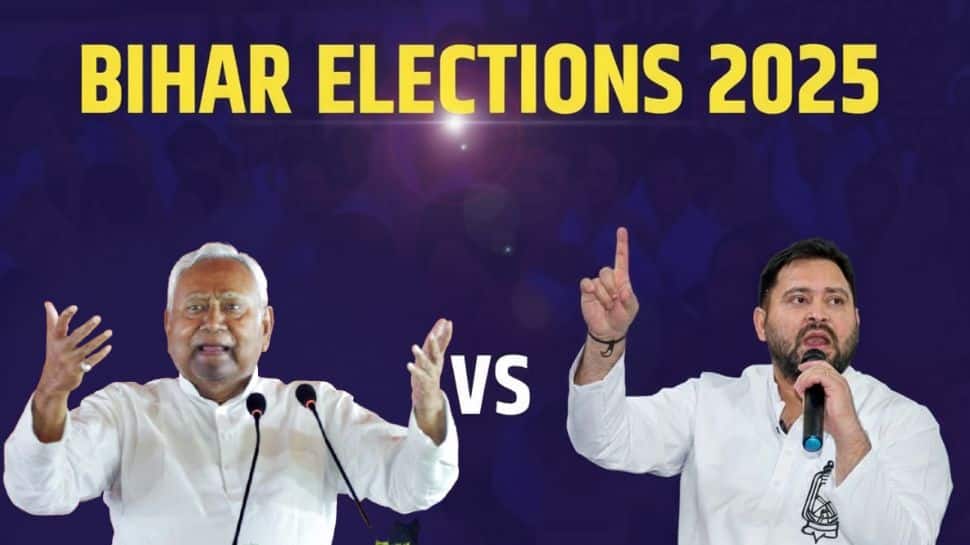
Bihar’s political landscape is set for a dramatic showdown as the Grand Alliance has named 36-year-old Tejashwi Yadav as its Chief Ministerial candidate. This strategic move pits a young, fresh face against the incumbent, Nitish Kumar, who has governed the state for two decades. The alliance aims to galvanize the crucial Muslim-Yadav voting bloc, which constitutes a significant portion of the electorate, and offer a compelling alternative to Nitish Kumar’s long tenure.
The strategy hinges on Tejashwi’s youth and his ability to connect with a younger generation of voters, coupled with a potential leadership vacuum within the NDA. With over 16 million young voters between 20 and 29, and a million first-time voters, Tejashwi’s focus on jobs and development could resonate strongly. The alliance is also banking on re-energizing its core M-Y (Muslim-Yadav) support base, which has shown signs of fragmentation.
However, this gambit faces considerable risks. Elevating a Yadav leader might alienate other backward communities, a critical demographic for electoral success. The RJD’s candidate selection has already fueled this concern, with a disproportionate number of Yadavs among its OBC nominees. Furthermore, the BJP is actively campaigning on the legacy of “Jungle Raj” from the 1990s, seeking to associate Tejashwi with his father Lalu Prasad Yadav’s past administration. The Grand Alliance’s internal disputes and delayed announcement also mean the NDA has had a significant head start in their campaign efforts.