



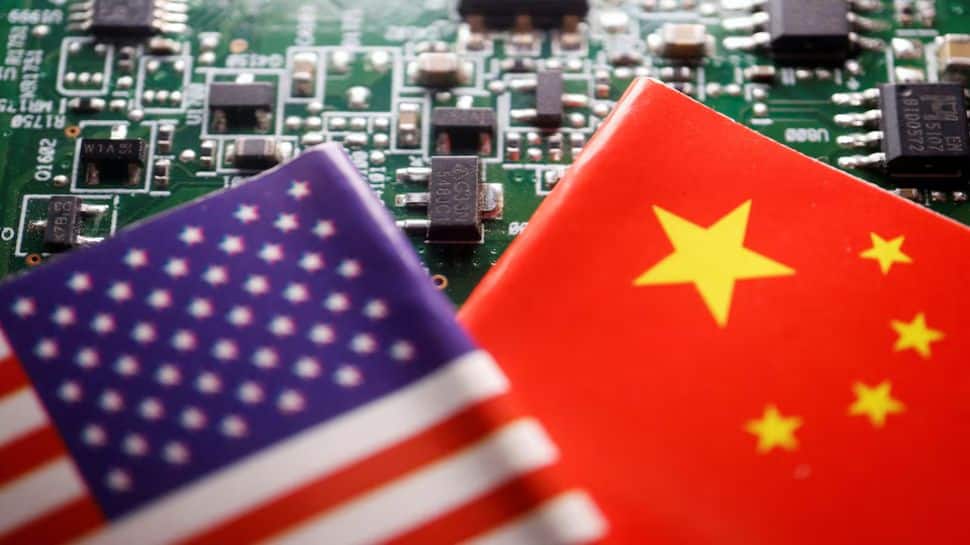
Beijing has dramatically shifted its global trade strategy, now mirroring the United States’ approach to export controls. In a significant move that has sent ripples through international markets, China has implemented new regulations requiring foreign companies to obtain government approval before exporting any product containing Chinese rare earth materials or utilizing Chinese technology. This sweeping measure extends its influence over the vast global technology supply chain, impacting even major players like South Korean smartphone manufacturers exporting to markets like Australia.
This strategic pivot directly echoes Washington’s own ‘foreign direct product’ rule, a mechanism previously used to restrict China’s access to advanced technologies, regardless of where those products were manufactured. China’s decision to adopt similar tactics stems from its experience with US export controls, which have demonstrably impacted its economic development and political leverage.
Beijing has been preparing for such a scenario for years. The trade war initiated in 2018 by the Trump administration provided China with the impetus to develop its own retaliatory measures. By 2020, China’s Ministry of Commerce introduced its ‘Unreliable Entity List,’ a direct countermeasure to US blacklists. Subsequently, in 2021, China enacted an anti-foreign sanctions law, empowering its authorities to freeze assets and revoke visas for entities deemed hostile to Chinese interests. This legislation was described as a ‘toolkit against foreign sanctions,’ with a clear intent to retaliate using similar methods.
The current trade confrontation intensified following the return of Donald Trump to the White House and the subsequent reignition of the trade war. Initial US tariffs on Chinese fentanyl-related chemicals were met with strong responses from Beijing, including adding prominent companies to its Unreliable Entity List and tightening export controls on critical materials like tungsten and bismuth. Escalations continued with further tariffs and reciprocal blacklisting of firms, culminating in significant tariffs on rare earth magnets. This evolving trade landscape signifies a new era where China has clearly demonstrated its capability to engage in assertive trade politics, playing by rules previously dominated by Washington.