


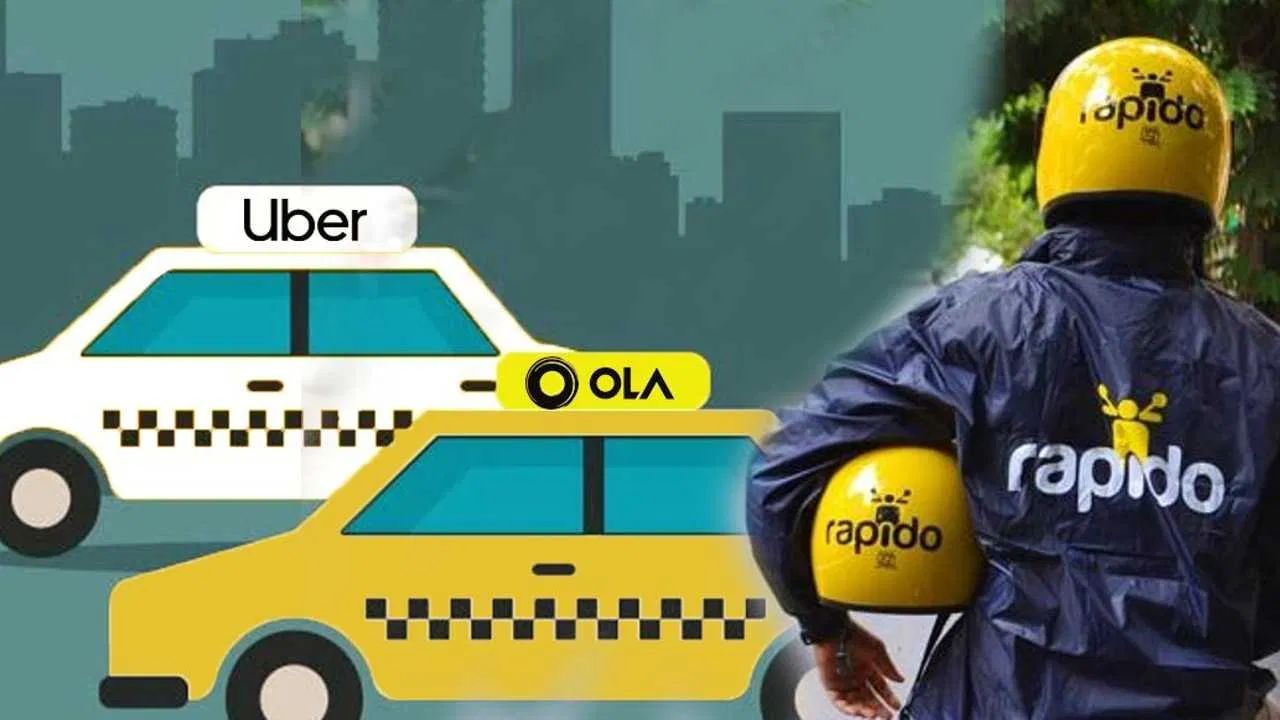
The proliferation of cab and bike taxi apps in India has undoubtedly made travel easier for the public, but questions have arisen regarding the practices of these companies. Recently, Rapido was fined 10 lakh rupees for misleading advertisements and failure to address customer complaints. This incident highlights the need for stricter regulations, not just for Rapido, but also for major companies like Ola and Uber. Customers often complain about drivers canceling rides without valid reasons after bookings are made, with charges directly levied on users. There are also instances where the fare displayed on the app significantly differs from the actual payment.
Additionally, surge pricing, which involves a sudden increase in fares during peak hours, puts a strain on people’s wallets. This raises the question: why don’t these companies operate with greater responsibility and transparency when they are making substantial profits from the public?
In recent times, the government has allowed companies to charge double fares. Now, these companies can charge up to double the base fare during peak hours, where the limit was previously 1.5 times. The Ministry of Road Transport and Highways has issued new rules regarding this. According to these rules, fares during non-peak hours should be at least 50 percent higher than the base fare.
The government has instructed all state governments to implement these rules within three months. According to the ministry, the aim is to provide passengers with rides at reasonable prices during times of high demand and to prevent companies from arbitrarily offering discounts. State governments will determine the base fares for different types of vehicles, such as taxis, auto-rickshaws, and bike taxis.