

Vehicle sales in July presented a mixed bag. The passenger vehicle segment remained relatively stagnant, showing little growth. However, the demand for two-wheelers and three-wheelers provided support. This trend indicates a slowdown in the upper market segments, whereas the demand for bikes and rickshaws increased significantly.
Passenger vehicles experienced a sluggish pace. According to the Society of Indian Automobile Manufacturers (SIAM), passenger vehicle sales in July decreased by 0.2 percent, reaching 3,40,772 units. These results contradict the industry’s expectations of recovery. The car segment has long been considered a growth engine, but its momentum has currently slowed. Vehicle manufacturers are now focusing on sales during the festive season, particularly starting with Onam, but the figures suggest that consumer enthusiasm has yet to return.
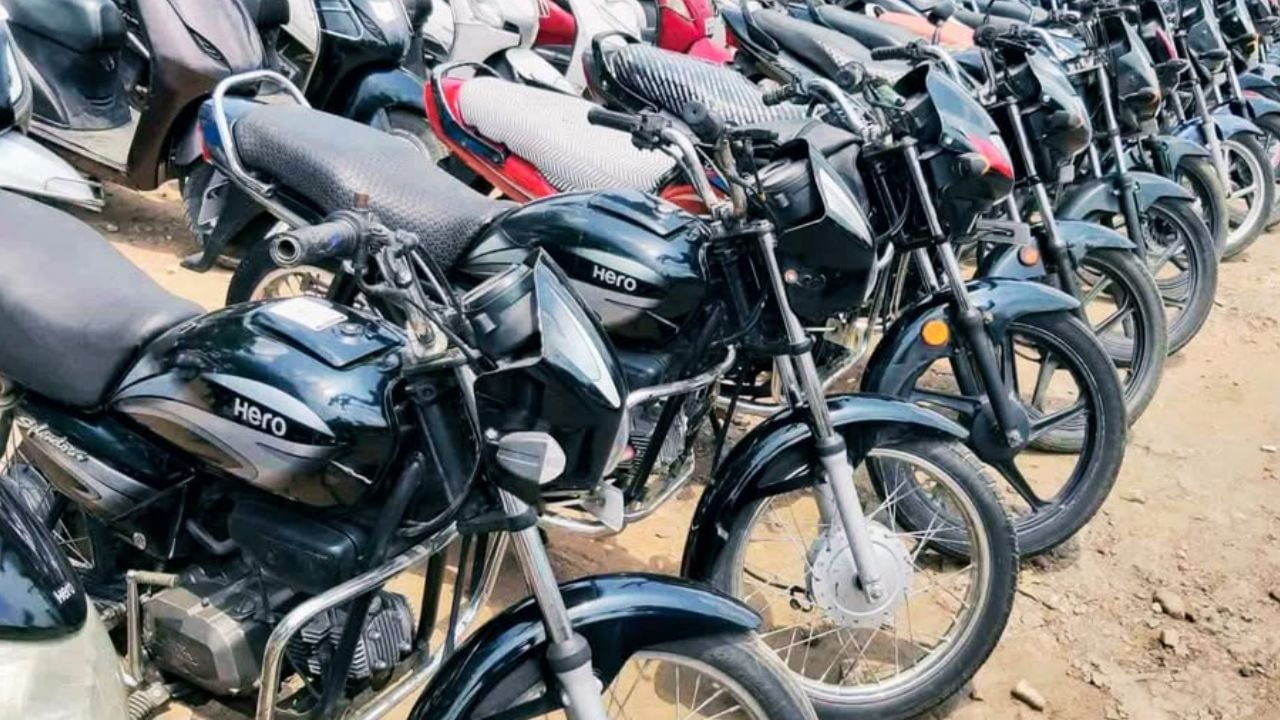
Two-wheelers found support in scooters. Two-wheeler sales in July increased by 8.7 percent, reaching 15.67 lakh units. The scooter segment saw the fastest growth, with sales increasing by 16.2 percent. Motorcycle demand also rose by 4.7%, while moped sales continued to decline, decreasing by 10%. The resurgence of scooters clearly indicates sustained demand in both urban and rural areas.
Three-wheeler vehicles achieved a new record. Three-wheeler vehicles performed their best in July. Sales in this segment increased by 17.5 percent, reaching 69,403 units. There was a significant increase in passenger carriers, goods carriers, and e-carts. However, the sale of e-rickshaws decreased by 53%, highlighting the fragile state of electric mobility models.
Sector Outlook. SIAM described July’s performance as “stable” and expressed optimism for the coming months. However, the current figures indicate that growth is limited to the lower segments, while there is a slowdown in the premium and passenger car segments.